
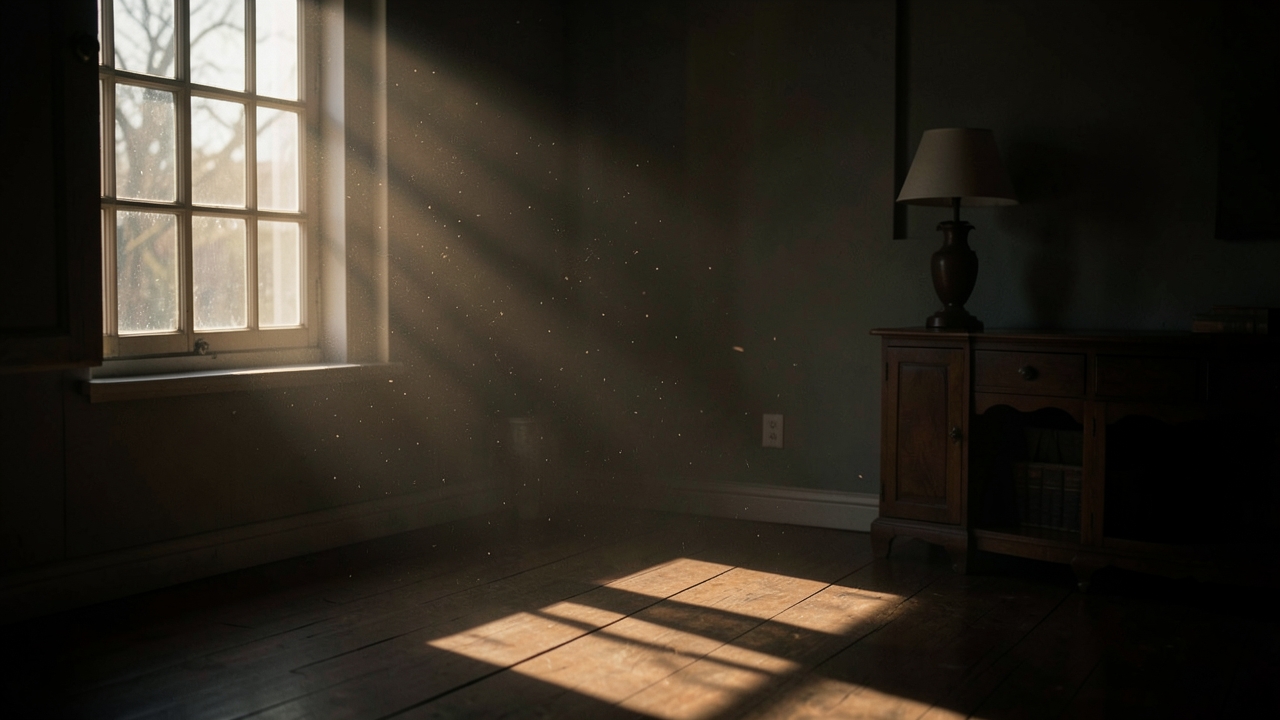
In the dim chambers of the writer’s mind, where imagination wrestles with the blank page, how often do we default to the tyranny of the eye? We describe the color of the drapes, the shadow in the corner, the flash of a blade. But what if we were to blindfold our prose? What if we embraced a profound sensory writing prompt that demanded we build our world not through sight, but through the haunting duets of sound and touch, or scent and taste? This is the essence of the ‘Sensory Switch’ challenge—a creative constraint designed to shatter complacency and deepen our craft.
This deliberate limitation is not a cage, but a forge. It forces the writer into a space of acute problem-solving, where every word must carry the weight of a world experienced differently. As we will explore, this technique is a direct pathway to the visceral, haunting immersion perfected by masters of atmosphere.
The Anatomy of the Sensory Writing Prompt
A sensory writing prompt, in its most potent form, is a creative constraint. It asks: what happens when you remove a primary sense from your descriptive toolkit? By choosing, for example, to build a scene using only sound and touch, you strip away the easiest path to description. You must engage with the world on a more fundamental, often more unsettling, level.
This approach echoes the atmospheric genius of Edgar Allan Poe. In “The Fall of the House of Usher,” the narrative’s dread is built not merely by the sight of the tarn or the mansion, but by the “singularly harsh, dry, and intricate” sound of Roderick Usher’s voice, and the oppressive, feverish touch of the air itself. The house is felt and heard before it is fully seen. Consequently, the reader’s immersion is physiological.
Why the Constraint Works: Forcing Creative Pathways
Our brains are wired for visual shortcuts. A writer says “it was a scary place” and lists visual cues. The sensory constraint bans these shortcuts. Therefore, you must find new avenues for emotional truth. How does fear sound in an empty hallway? Not the creak you expect, but the absolute cessation of sound—the hollow echo of your own breath. How does joy touch? Not the sight of a smile, but the sudden warmth spreading through your chest, the feather-light brush of a hand on your arm.
This challenge is particularly potent for genres like gothic fiction, horror, and mystery, where atmosphere is the true antagonist. H.P. Lovecraft, for instance, often described the indescribable not by its visual form, but by the alien sound it emitted or the physical revulsion it triggered in onlookers. The fear is translated through non-visual senses, making it more visceral and personal.
Mastering the Sensory Writing Prompt: Techniques and Pitfalls
Embracing this constraint requires technique. You must learn to translate sight-based experiences into their auditory or tactile equivalents, and to invent new sensory metaphors from scratch.
The Sound & Touch Tandem
Pairing sound and touch creates a powerful, intimate immersion. Sound defines the space; touch defines your relationship to it. For example, Daphne du Maurier’s Rebecca is saturated with the sound of the sea and the touch of the cold banister—both recurring motifs that bind the narrator to Manderley’s memory and mystery. To practice:
Instead of “The room was old and dusty,” try: “The air tasted of dust and carried the low groan of settling timber. A palpable chill seeped from the walls, raising gooseflesh along my arms.” Here, taste and sound establish age, while touch conveys the physical sensation of cold.
The Scent & Taste Duet
This is perhaps the most potent combination for evoking memory and decay, the twin pillars of gothic literature. As Marcel Proust knew, a scent can unlock a universe. In horror, a wrong smell—a cloying sweetness beneath the floorboards—can signal danger more effectively than a visual clue. Taste is primal, intimate, and can convey intimacy or violation. Furthermore, combining them can be profoundly unsettling, as seen in Angela Carter’s work, where sensory experiences are often tangled, lush, and deeply visceral.
Pitfalls to Avoid
One common pitfall is the “sense catalogue,” where you simply list sensory details without integrating them into the character’s experience or the narrative’s mood. Another is metaphorical laziness—using sound or touch as mere adjectives (“a sharp sound,” “a soft touch”) rather than as active, scene-building elements. Finally, watch for leakage. The challenge is to adhere strictly to your chosen two senses for the entire scene, which requires constant vigilance.
A Case Study: The Listening Room
The following scene was crafted using the sensory writing prompt constraint, focusing exclusively on sound and touch to build its gothic atmosphere.
The first step across the threshold was not into a room, but into a solid hum. It filled my sinuses, a low, resonant note that vibrated behind my teeth. The floorboards did not creak; they sighed under my weight, a soft exhalation of ancient wood that traveled up through the soles of my shoes. I reached for the wall to steady myself, but the wallpaper was not paper—it was a fine, cool grit, like sand blown against a tombstone, and it whispered against my fingertips as I traced its patterns in the dark.
Sounds became textures. The drip of a distant faucet was a cold, wet tapping on my eardrum, distinct from the dry, insistent rustle of something moving within the walls—a sound like stiff leaves skittering across slate. I held my breath. The hum deepened, and a new sensation bloomed against the back of my neck: the faintest, feather-light touch, a current of air that was too deliberate to be a draft. It carried its own sound, a barely-audible hiss that coated the air like oil on water.
The pressure in my chest tightened. I could feel my own heartbeat, a frantic, muffled drum, and now I was aware of another rhythm beneath it—a slow, wet thudding from the far corner, heavy and syncopated. It was a sound you could feel in your joints, a vibration that loosened teeth and made the bones of my fingers ache. I backed toward the door, my shoulders brushing against something that yielded with a soft, doughy resistance, then sprang back with a damp snap. The hum crescendoed into a whine that pierced my skull, and the touch on my neck became a firm, inquisitive press, as cool and smooth as a marble cheek.
The door handle was ice under my palm, a shock of pure cold that grounded me. I twisted it, the mechanism grinding with the sound of stone on stone, and stumbled out into the hall. The silence that followed was not an absence, but a presence—a heavy, plush blanket of quiet that absorbed the echo of my gasp. Behind me, the hum subsided, but I could still feel its phantom vibration in my bones, and the ghostly press of that cool, inquisitive touch remained, a tactile whisper promising I was not truly alone.
The Unseen Resonance: Why This Prompt Deepens Your Craft
The ‘Sensory Switch’ challenge is more than a parlor game. It is a rigorous exercise in translating the core of human experience—fear, memory, desire—into its most fundamental physical signals. When you master the art of building atmosphere with a limited sensory palette, you learn a transferable skill: how to make every sense work harder, how to imply the visual through other channels, and how to create a world that resonates in the reader’s body, not just their mind.
Therefore, I urge you to accept the challenge. Choose two senses. Lock the others away. Enter the scene blind and deaf to everything but your chosen duo. Let the sensory writing prompt guide you into unfamiliar, perhaps uncomfortable, creative territory. For it is there, in the echo of a sound and the memory of a touch, that the most haunting and enduring stories are truly born.
Will you dare to listen to the silence, and feel what whispers back?
For more exercises in atmospheric craft, explore our guide on Gothic Descriptions Beyond the Visual. To delve deeper into the masters of mood, consider our analysis of Edgar Allan Poe’s Use of Atmosphere.
External References for Further Reading: Edgar Allan Poe’s Biography and Works at Poetry Foundation; The Guardian on Angela Carter’s Gothic Legacy.