
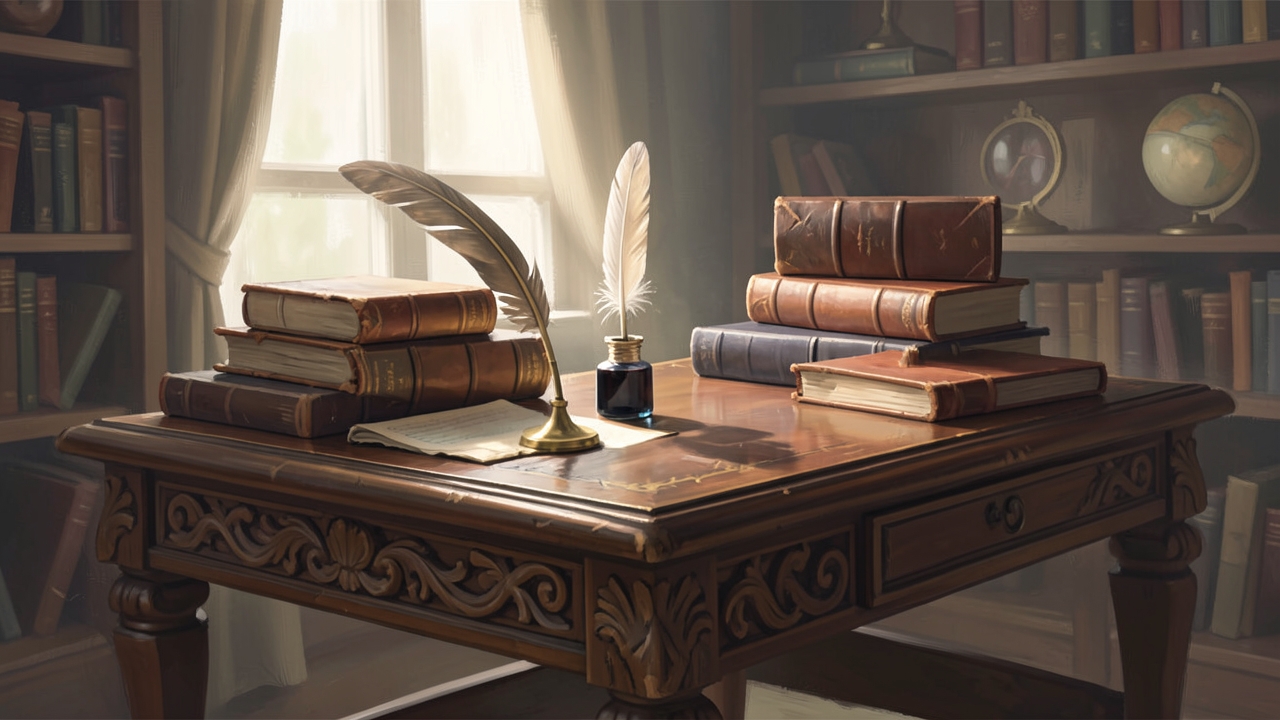
In the dim hours of 2026, where personal narratives flicker like candlelight in digital caves, have we not all wondered where memoir ends and fiction begins? This haunting question lies at the heart of autofiction contemporary literature, a genre that has surged into the literary spotlight. Writers are erasing the line between lived experience and invented story, crafting narratives that feel both intimate and elusive.
Today, as curated social media personas mask our truths, autofiction offers a fractured mirror. It allows authors to explore identity and trauma without the constraints of pure fact. Consequently, this blurred form has become a vessel for navigating our complex era.
The Anatomy of Autofiction in Contemporary Literature
Autofiction, a term coined by Serge Doubrovsky in 1977, has evolved into a dominant force in contemporary literature. It merges autobiography with fictional elements, creating a hybrid that questions the nature of truth. In 2026, this genre thrives because it mirrors our fragmented realities.
For example, consider how autofiction allows writers to revisit past traumas. They can reshape memories through a fictional lens, offering emotional clarity. This technique is evident in works like Rachel Cusk’s Outline trilogy, where the protagonist’s life unfolds through conversations, blurring self and other.
Crafting Identity Through Blurred Lines
Identity in autofiction is not fixed; it is fluid and contested. Authors use first-person narrators who are both themselves and not. This method echoes Edgar Allan Poe’s unreliable narrators, who cast doubt on reality. For instance, Poe’s “The Tell-Tale Heart” forces readers to question the narrator’s sanity, much like autofiction questions the author’s truth.
Moreover, autofiction in contemporary literature often engages with digital age struggles. Writers like Sheila Heti, in How Should a Person Be?, blend emails, conversations, and reflections to construct identity. This collage-like approach resonates in 2026, where our lives are fragmented across platforms.
Techniques for Mastering Autofiction
To master autofiction, writers must embrace specific techniques. First, they should employ an introspective voice that feels authentic yet malleable. This involves using short, reflective sentences that mimic thought patterns. For example, H.P. Lovecraft’s cosmic dread, though external, influences autofiction’s internal landscapes, where fears are personal.
Second, structure is key. Autofiction often eschews linear plots for episodic or thematic arrangements. Daphne du Maurier’s Rebecca, while a novel, uses atmospheric repetition to blur memory and imagination. Similarly, autofiction writers might loop back to pivotal moments, creating a narrative spiral.
Third, metafictional elements enhance the blur. By acknowledging the act of writing, authors like Jorge Luis Borges in Ficciones challenge reality. Autofiction adopts this, with characters writing their own stories, mirroring the author’s process.
Common Pitfalls and How to Avoid Them
However, autofiction carries risks. A common pitfall is narcissism, where the narrative becomes overly self-indulgent. To avoid this, writers must balance personal revelation with universal themes. For instance, Tana French in The Secret Place uses personal history to drive mystery, not dominate it.
Another pitfall is factual accuracy. Autofiction does not require strict truth; emotional truth is paramount. Yet, readers might conflate author and narrator. Therefore, authors like Gillian Flynn in Gone Girl use dual perspectives to create distance, a technique adaptable to autofiction.
Furthermore, in 2026, with AI-generated content rising, autofiction’s human touch becomes a sanctuary. Writers must ensure their voice remains distinct, avoiding generic prose. Shirley Jackson’s eerie domesticity in The Haunting of Hill House offers a lesson: specificity in detail fosters authenticity.
A Case Study: The Fractured Self
To illustrate these techniques, here is an original short story that embodies autofiction’s blurred lines. It explores identity and trauma through a fragmented narrative.
The mirror held not my face, but a mosaic of shadows. I stood in the bathroom, the tiles cold underfoot, and wondered if this was the room where memory fractured. My name—echoed in whispered arguments, in the rustle of old letters—felt like a borrowed garment. I had written this story before, or perhaps I was writing it now. The edges blurred between the girl who left and the woman who remained.
In the afternoon light, I recalled my mother’s voice, a murmur that seeped through walls. She had said, “Truth is just a story we tell ourselves.” At the time, I dismissed it. But here, in 2026, with screens glowing like specters, her words resurfaced. I crafted this narrative: a daughter piecing together her mother’s silence, each paragraph a step deeper into the labyrinth of our shared past. The facts shifted—was the house painted blue or grey?—but the emotion held firm.
Writing it, I felt the presence of others: a character named Elara, who was me but not me. She moved through the story, her trauma a vein of darkness. I borrowed from my own scars, then embellished them. The autofiction allowed this dance—truth and invention intertwined. As readers, we often seek clarity, but here, I offered only echoes. The narrative unraveled, then rewove itself, a tapestry of what was and what could be.
In the end, the mirror cleared. I saw not a single self, but many. The story had healed nothing, yet it illuminated. This is the power of autofiction in contemporary literature: it does not resolve, but it reveals. I closed the notebook, the ink still wet, and stepped into dusk. The line between memoir and novel had dissolved, leaving only the haunting beauty of a life examined.
Why Autofiction Resonates in the Digital Age
In 2026, autofiction thrives because it counters digital curation. Social media demands polished narratives, but autofiction embraces messiness. For example, platforms like Instagram filter reality, whereas autofiction, as in Sheila Heti’s work, exposes the raw edges of existence.
Additionally, autofiction addresses collective trauma. In an era of climate anxiety and social upheaval, writers use personal stories to reflect larger issues. Silvia Moreno-Garcia, in Mexican Gothic, blends historical trauma with gothic fiction, a parallel to autofiction’s hybrid approach.
Moreover, the genre invites reader participation. By blurring lines, it asks readers to question their own stories. This interactive quality aligns with contemporary literature’s trend toward immersive experiences. For instance, Haruki Murakami’s surreal narratives, like Kafka on the Shore, engage readers in decoding reality.
The Role of Truth and Memory
Truth in autofiction is subjective. Memory is unreliable, a theme Angela Carter explored in The Bloody Chamber, where fairy tales are retold to uncover hidden truths. Autofiction similarly revisits memories to find emotional cores. Therefore, writers must prioritize authenticity over accuracy.
Furthermore, in 2026, with deepfakes and misinformation, autofiction’s honesty about fiction becomes vital. It admits that all narratives are constructed. This meta-awareness, seen in Borges’ labyrinths, empowers writers to navigate post-truth landscapes.
External Influences and Literary References
The autofiction boom draws from rich literary traditions. Edgar Allan Poe’s introspective tales, like “The Fall of the House of Usher,” delve into psychological decay, akin to autofiction’s exploration of inner turmoil. Similarly, Daphne du Maurier’s atmospheric suspense in Rebecca blurs memory and fiction.
In contemporary literature, autofiction builds on memoirists like Mary Karr, but pushes further into fabrication. For external validation, see how The Guardian discusses autofiction’s rise, or Literary Hub offers essays on its craft. These sources highlight the genre’s cultural impact.
Internal links for further reading: mastering gothic mystery in narrative, and crafting personal narratives with depth.
The Future of Autofiction in 2026 and Beyond
As we move deeper into 2026, autofiction will continue evolving. Writers may incorporate AI-generated elements, further blurring human and machine narratives. However, the core human experience will remain central. This genre’s resilience lies in its adaptability.
Consequently, autofiction challenges us to redefine literature. It asks: if all stories are subjective, what is truth? In an era where identity is fluid, this question grows louder. Autofiction does not provide answers; it deepens the inquiry.
Therefore, embracing autofiction in contemporary literature is not a trend but a necessity. It allows us to process our fragmented lives, to find meaning in the blur. For writers, it offers freedom; for readers, a mirror to their own shadows.
Conclusion: The Echoing Void
In the end, the autofiction boom of 2026 is more than a literary movement. It is a response to our collective psyche, a way to navigate the hollow echoes of a curated world. By erasing the line between memoir and novel, writers invite us into the twilight where truth and fiction dance.
So, as you close this article, linger in that shadow. Ask yourself: in the narrative of your own life, where does fact end and fiction begin? The answer, like autofiction itself, may forever remain beautifully unresolved.