
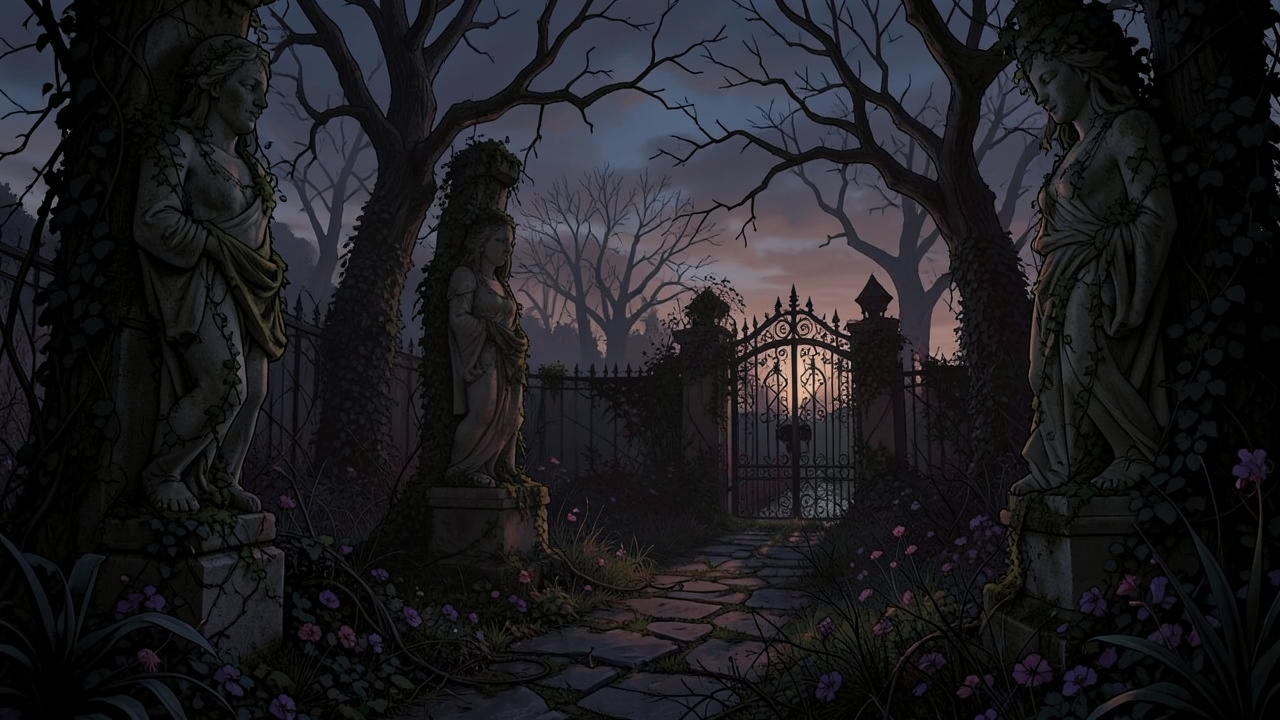
What if the spaces between rooms held more terror than the rooms themselves? In contemporary gothic fiction, liminal spaces gothic fiction are not mere backdrops but active, oppressive entities. These transitional zones—stairwells, waiting rooms, overgrown gardens—whisper with a dread that shapes the entire narrative. Today, we delve into how modern writers harness these in-between areas to craft haunting tales that linger in the mind.
The Theory of Liminal Dread in Gothic Craft
Gothic fiction has always thrived on atmosphere. However, in recent decades, writers have shifted focus from haunted houses to the spaces that connect them. This evolution marks a profound understanding of psychological dread. For instance, Edgar Allan Poe’s “The Fall of the House of Usher” uses the house itself as a character, but contemporary authors like Tana French and Shirley Jackson extend this to liminal areas. Consequently, these spaces become more than settings; they are catalysts for fear that shape the reader’s experience.
The Anatomy of Liminal Spaces
A liminal space, by definition, is a threshold—a place of transition. In gothic fiction, however, it is often a site of stasis, where characters are trapped in perpetual anticipation. For example, in Daphne du Maurier’s Rebecca, the long corridors of Manderley serve as passages filled with memory and dread. Similarly, Gillian Flynn’s Sharp Objects uses stairwells and alleys to heighten tension. Therefore, the key is to imbue these spaces with sentience, making them feel alive and watchful, as if they hold secrets that could unravel the protagonist.
To master this craft, writers must consider three elements: sensory detail, psychological resonance, and narrative function. Sensory detail involves describing the cold touch of a railing, the echo of footsteps, or the scent of damp air. Psychological resonance ties the space to the character’s inner turmoil. Finally, the space should drive the plot, either by hindering or propelling action. In addition, avoid making these spaces static; give them a dynamic quality that evolves with the story. As explored in our article on gothic storytelling techniques, atmosphere is built through such layered details.
Crafting Oppressive Entities
How do writers transform a simple hallway into an oppressive entity? One technique is personification. For instance, in H.P. Lovecraft’s works, ancient ruins often possess a malevolent awareness. In contemporary fiction, Silvia Moreno-Garcia’s Mexican Gothic uses the decaying mansion to reflect colonial oppression. Therefore, by attributing human-like qualities—malice, patience, hunger—to the space, writers create a sense of active threat that lingers.
Another method is through omission. What you don’t show can be more terrifying than what you do. For example, a waiting room with no visible exit, or a garden that seems to shift when unobserved. Jorge Luis Borges mastered this in his labyrinthine tales, where spaces defy logic. Consequently, readers fill the gaps with their own fears, deepening the horror. In contrast, explicit descriptions can sometimes diminish dread, so balance is crucial.
Moreover, pacing is crucial. Liminal spaces often slow down time, allowing dread to accumulate. Short sentences can mimic the character’s racing thoughts, while longer descriptions build atmosphere. For instance, in Angela Carter’s The Bloody Chamber, transitions between rooms are described with deliberate slowness, enhancing suspense. Furthermore, the use of light and shadow plays a pivotal role. In gothic tradition, chiaroscuro enhances mystery. For example, a stairwell lit by a single flickering bulb casts elongated shadows that dance with predatory intent. This visual cue signals danger. As a result, master lighting to amplify the oppressive nature of these spaces.
Common Pitfalls in Using Liminal Spaces
One common mistake is overuse. If every space is liminal, the effect dilutes. Therefore, select spaces that resonate with the theme. For example, in Haruki Murakami’s Kafka on the Shore, specific locations like the library are imbued with mythic weight, but not every setting is treated equally. This selective approach ensures that each liminal space carries maximum impact.
Another pitfall is neglecting character interaction. The space should impact the protagonist, not just exist in isolation. In Gillian Flynn’s work, characters are often shaped by their environments. Consequently, ensure that the liminal space challenges or reveals something about the character, whether through memory, fear, or transformation. For a deeper analysis of character-setting dynamics, consider character-driven gothic narratives.
Finally, avoid clichés. While stairwells and gardens are classic, fresh examples can revitalize the trope. For instance, consider digital liminal spaces—social media feeds or video calls—as modern gothic elements. This adaptation keeps the genre relevant in 2026. According to Literary Hub, contemporary writers are increasingly exploring these new frontiers, blending technology with traditional dread.
A Case Study: The Whispering Corridor
She stepped into the hallway, a liminal space between the living room and the forgotten wing of the house. The air grew thick, as if the walls themselves exhaled silence. Shadows pooled in the corners, not from any light source, but from an absence. Each step echoed with the memory of footsteps long past. Here, in this corridor, time fractured, and she felt the weight of every unsaid word pressing against her skin. The garden beyond the window, overgrown and wild, seemed to beckon, its vines creeping like fingers towards the glass. This was not a passage; it was a presence, a gothic entity that shaped her dread.
As she moved forward, the hallway lengthened. Doors appeared on either side, locked and mute. The wallpaper peeled in patterns that resembled faces, eyes following her every move. She recalled her grandmother’s stories about this house—how it held grudges. Now, the corridor whispered, a murmur of voices that were not quite human. It promised secrets but delivered only despair. In this liminal zone, she was neither here nor there, suspended in a nightmare that breathed. The whispers grew louder, forming words in a language she almost understood. It spoke of lineage, of sins passed down through generations.
Each door she passed was a potential escape, yet they remained shut, mocking her. The garden’s invitation became a siren call, but she knew that beyond the glass, the truth awaited—a truth that could unravel her. This liminal space was not just physical; it was emotional, a bridge between past and present, forcing confrontation. As dawn approached, the hallway released her, but the echoes remained, a permanent stain on her psyche. The corridor’s oppressive presence lingered, a reminder that some spaces never let go.
Echoes in the Void
In the end, liminal spaces in gothic fiction serve as mirrors to our deepest anxieties. They remind us that the in-between places are where we are most vulnerable. Modern writers, from Shirley Jackson to contemporary voices, continue to explore these oppressive entities, crafting tales that linger long after the last page. As we navigate the transitional spaces of our own lives—stairwells, corridors, and digital thresholds—perhaps we should ask: what whispers in the corridors of our minds, shaping the dread that defines us?