
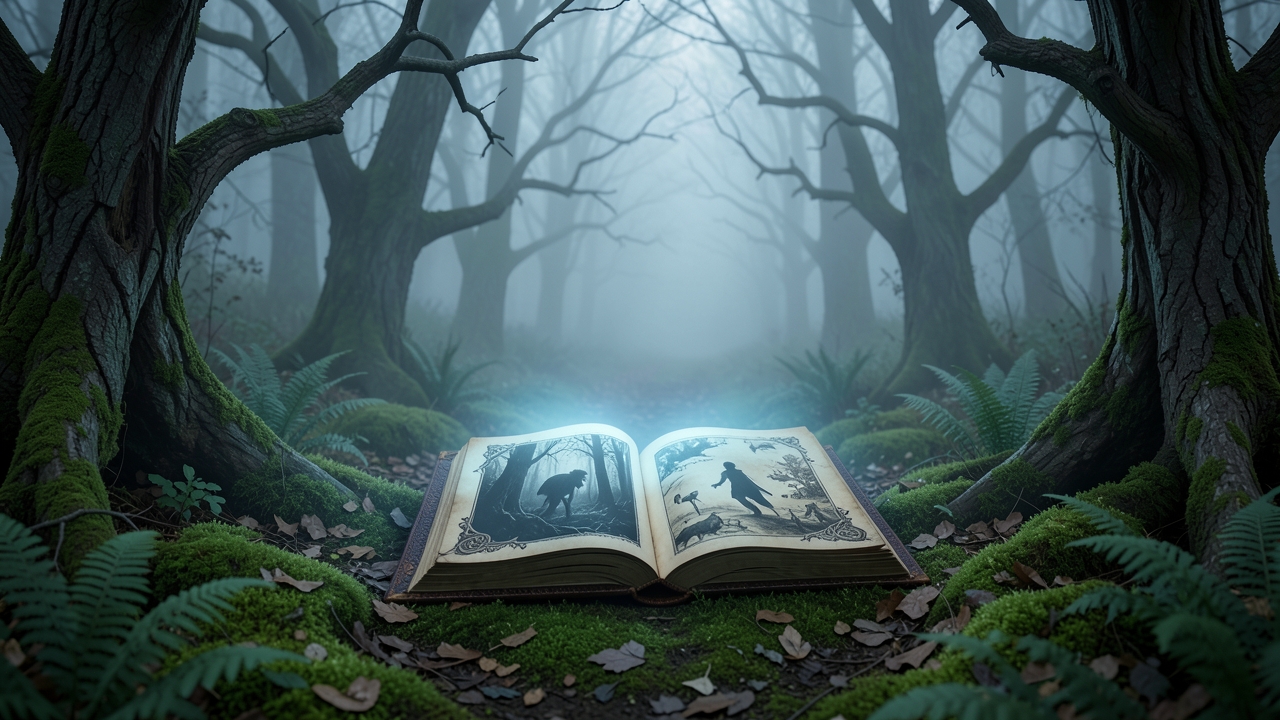
Have you ever paused while drying a dish, only to feel the porcelain whisper something back? The horror of modern Gothic fiction no longer resides solely in crumbling castles or ancient curses; it lurks in the corner of your kitchen, in the hum of a refrigerator, or in a child’s forgotten doll. We now weaponize mundane gothic horror objects, turning the familiar into a source of psychological erosion. This shift invites a deeper, more intimate dread—one that unravels the veil between safety and sanity.
In this exploration, we delve into the craft behind this transformation. We examine how contemporary writers leverage everyday items to build atmospheric tension. We also consider the lessons from masters of the genre, from Edgar Allan Poe to Shirley Jackson. Finally, we present an original case study that demonstrates these techniques in action.
The Anatomy of Mundane Gothic Horror Objects
Traditional Gothic fiction relied on exotic, decaying settings to evoke fear. However, modern horror often grounds itself in the ordinary. This pivot makes dread more accessible and personal. Therefore, understanding the anatomy of mundane gothic horror objects is essential for any storyteller.
From Castles to Kitchen Sinks: The Evolution of Setting
The classic Gothic novel, like Horace Walpole’s The Castle of Otranto, used architecture as a metaphor for psychological decay. Yet, as societal fears evolved, so did the settings. For example, Shirley Jackson’s The Haunting of Hill House treats the house itself as a character, blurring lines between structure and psyche. In contrast, contemporary works often zoom in on smaller artifacts. A toaster, a mirror, or a set of keys can become vessels for terror.
This evolution reflects a cultural shift. Our anxieties now stem from domestic isolation and technological alienation. Therefore, writers like Gillian Flynn in Gone Girl use smartphones and social media to erode trust and sanity. Similarly, Tana French in The Witch Elm transforms a family heirloom into a symbol of hidden violence. Consequently, the mundane object becomes a catalyst for unraveling.
Psychological Impact: Why Familiarity Breeds Dread
The power of mundane gothic horror objects lies in their familiarity. When something safe turns sinister, it shatters our perception of reality. This is cognitive dissonance at its most haunting. For instance, in Charlotte Perkins Gilman’s The Yellow Wallpaper, a patterned wallpaper evolves into a prison for the narrator’s mind. The object mirrors her mental fracture, making the horror internal and inescapable.
Moreover, household items often carry emotional weight. A child’s toy might evoke innocence, but when placed in a horror context, it twists nostalgia into fear. As a result, the reader experiences a visceral reaction. This technique engages the amygdala, triggering fight-or-flight responses through suggestion rather than explicit gore.
Crafting Fear from the Familiar: Techniques and Lessons
To effectively weaponize everyday items, writers must master specific techniques. These methods amplify the uncanny nature of objects, transforming them into sources of dread. Here, we analyze actionable strategies with literary references.
Technique 1: Personification and Animation
Giving inanimate objects agency or life is a potent tool. Edgar Allan Poe excelled at this in The Tell-Tale Heart, where the narrator’s obsession with an old man’s eye blurs the line between object and animate entity. Similarly, modern writers might animate a rocking chair that moves on its own. Therefore, subtle personification creates an atmosphere where nothing is trustworthy.
In practice, this involves sensory details. Describe how an object seems to breathe, watch, or react. For example, a kitchen knife that gleams with a malicious light. Furthermore, use active voice to reinforce the object’s perceived will: “The knife tilted, catching the moonlight.”
Technique 2: Symbolic Transformation
Objects can symbolize deeper fears or traumas. Daphne du Maurier’s Rebecca uses the Manderley estate as a symbol of memory and loss, but in micro-fiction, a simple ring might serve a similar purpose. For instance, in Silvia Moreno-Garcia’s Mexican Gothic, the house and its artifacts symbolize colonial oppression. Consequently, when a household object undergoes symbolic transformation, it adds layers to the horror.
To achieve this, link the object to a character’s backstory. A faded photograph in a frame might trigger memories of a lost loved one, but when the frame cracks inexplicably, it suggests a fracturing psyche. In addition, use metaphors: “The refrigerator’s hum was a lullaby for the dead.”
Technique 3: Escalation Through Repetition
Repetition builds unease. In H.P. Lovecraft’s works, recurring symbols like the Necronomicon amplify cosmic horror. Applied to mundane objects, repetition makes their presence ominous. For example, a ticking clock that never stops or a doll that reappears in different rooms. Therefore, each recurrence deepens the character’s—and reader’s—sense of entrapment.
This technique relies on pacing. Start with subtle hints, then escalate to inescapable encounters. Meanwhile, intersperse with moments of normalcy to heighten contrast. As a result, the object becomes a harbinger of inevitable doom.
Common Pitfalls in Using Household Horror
Even with these techniques, writers can falter. Avoiding common pitfalls ensures the horror remains effective and believable.
Pitfall 1: Over-reliance on Clichés
Tropes like haunted mirrors or dolls are well-worn. While familiar, they risk predictability. Instead, innovate by choosing unexpected items. For example, a smartphone that sends messages from the afterlife or a vacuum cleaner that consumes more than dust. Consequently, originality sustains engagement.
Pitfall 2: Neglecting Context and Atmosphere
An object alone doesn’t create horror; the surrounding atmosphere does. Without context, it may seem trivial. Therefore, build mood through setting, lighting, and character reactions. For instance, describe a dimly lit laundry room where shadows play on the washing machine. In addition, use sensory language: the smell of mildew, the creak of floorboards.
Pitfall 3: Lack of Psychological Depth
The true erosion of sanity happens in the mind. If the object’s impact on the character isn’t explored, the horror falls flat. So, delve into the character’s thoughts, memories, and fears. For example, in The Lottery by Shirley Jackson, the ordinary setting contrasts with the violent ritual, highlighting societal madness. Similarly, connect objects to internal conflicts.
For further reading on gothic tropes, explore Exploring Gothic Tropes in Modern Fiction on Froie.com. Additionally, delve into Writing Psychological Horror: A Guide for more techniques.
A Case Study: The Echo in the Teacup
Mara discovered the teacup in the back of the cabinet, its porcelain surface crazed with fine lines. She hadn’t used it since her mother’s funeral, but now, it called to her. Each evening, she filled it with chamomile, watching the steam curl like whispered secrets. One night, as she lifted it to her lips, she heard a murmur—a voice layered in the ceramic’s cracks. It spoke of childhood games and hidden resentments. The next morning, she found a hairline fracture running from rim to base. Yet, the voice grew louder, not from the cup, but from inside her skull. She began to answer it, her whispers blending with its echo. Friends noticed her distraction; she’d stare at the cup for hours, tracing its patterns. “It’s just a cup,” they said. But Mara knew better. The fracture spread, mirroring the one in her mind. Now, when she drinks, the tea tastes of ash and regret, and the voice promises that the breaking point is near.
This case study illustrates several techniques. The teacup is personified through the voice and fracture, symbolizing Mara’s psychological decay. Repetition occurs in her nightly ritual, escalating from comfort to torment. Meanwhile, atmosphere builds with sensory details: steam, whispers, ash taste. Therefore, the object weaponizes the mundane to erode sanity.
Conclusion: The Haunting in Our Hands
We began with a question about objects whispering back. Now, we see how mundane gothic horror objects dominate modern fiction, turning the familiar into the frightening. By mastering techniques like personification, symbolic transformation, and repetition, writers craft horror that lingers long after the page is turned. The true power lies in the erosion of the everyday—where safety unravels into shadow.
As you next glance at your household items, consider this: What secrets do they hold? Could the next story you write unlock a fear you never knew you had?
For more on literary craft, refer to the Poetry Foundation’s analysis of Edgar Allan Poe. Additionally, explore Literary Hub’s discussion on horror writing for broader insights.