
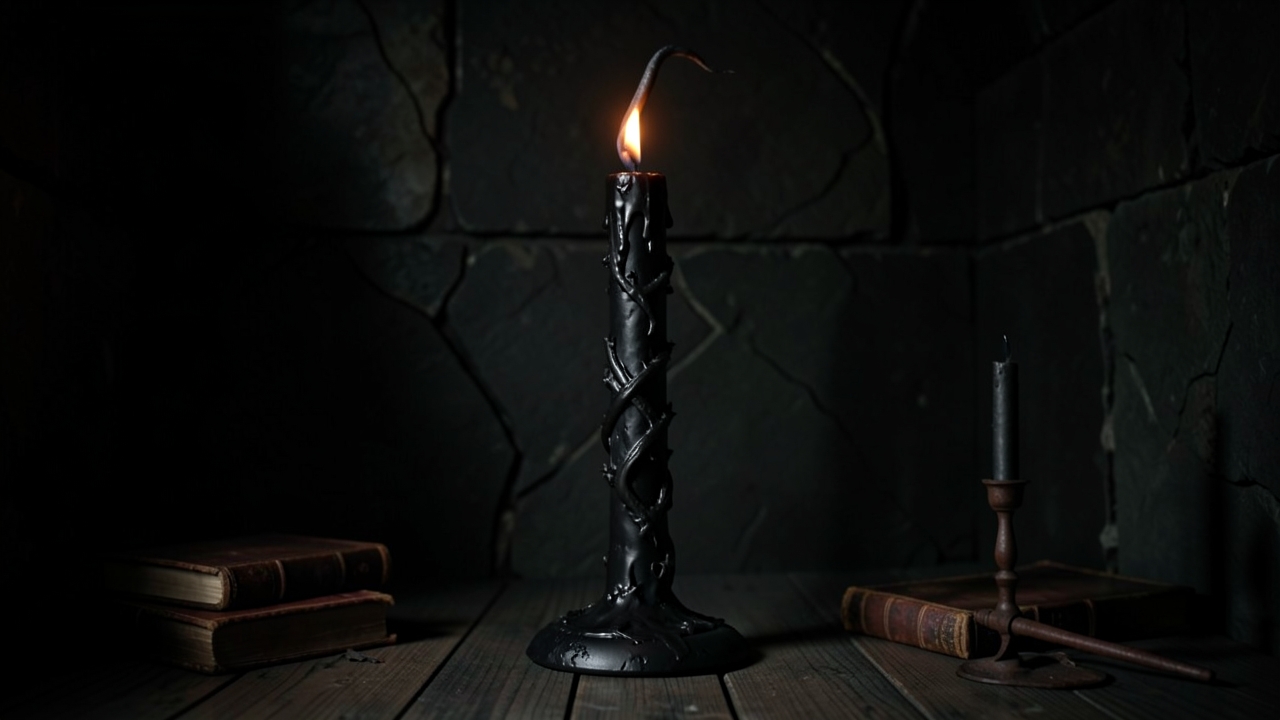
What happens when the eyes are shrouded in darkness, leaving only the whispers of sound, the brush of touch, the ghost of scent, and the memory of taste? This is the essence of the sensory deprivation writing prompt, a challenge that forces writers to abandon the crutch of visual description and build worlds through the unseen. In this exploration, we delve into the craft of omitting sight, drawing on gothic literary traditions to uncover how such constraints can birth profound immersion.
The Theory of Writing: Embracing Sensory Deprivation
At its core, the sensory deprivation writing prompt is not merely a constraint but a liberation. It compels writers to engage with the deeper layers of perception, echoing the introspective darkness of Edgar Allan Poe. In The Tell-Tale Heart, Poe magnifies sound into a weapon of guilt, where every creak and whisper becomes a testament to psychological unraveling. By stripping away vision, we force readers to inhabit the narrative through other channels, creating a more intimate and haunting experience.
Why Omit the Visual Sense?
Visual descriptions often dominate storytelling, but they can distance readers. For example, stating “the room was dim” tells rather than shows. In contrast, focusing on sound—the drip of water, the rustle of fabric—invites readers to visualize the scene themselves. This omission amplifies mystery, as seen in H.P. Lovecraft’s works, where cosmic dread is conveyed through unseen vibrations and oppressive atmospheres. Consequently, the reader becomes an active participant in constructing the narrative.
Furthermore, sensory deprivation aligns with gothic traditions that emphasize the unseen. Writers like Shirley Jackson, in The Haunting of Hill House, use auditory and tactile cues to build unease. The house “shudders” and “whispers,” making the absence of visual clarity a source of terror. Therefore, this prompt trains writers to leverage ambiguity and suggestion.
Crafting Soundscapes: Techniques for Auditory Storytelling
Sound is the most immediate sense in narrative. It can convey emotion, setting, and tension without a single visual detail. For instance, imagine a scene where the only clues are the echo of footsteps in a corridor or the distant toll of a bell. This auditory focus creates rhythm and pace, mirroring the heartbeat of the story.
The Power of Whisper and Echo
In Poe’s The Fall of the House of Usher, the moaning of the house and the rustling of curtains evoke decay and madness. Similarly, in modern works, Tana French uses whispered conversations and muffled sounds to build suspense in In the Woods. To master this, writers should:
- Use specific sound words: “gurgle,” “shriek,” “murmur.”
- Create layers of sound to imply depth, like background noise versus foreground action.
- Link sounds to emotions, such as a creaking door symbolizing unease.
However, avoid overloading the narrative with too many sounds, which can confuse. Instead, select a few key auditory elements that advance the plot or reveal character.
The Touch of Narrative: Incorporating Tactile Sensations
Touch grounds the reader in the physical world. It can convey intimacy or revulsion, as in Angela Carter’s The Bloody Chamber, where tactile details—like the coldness of a floor or the texture of silk—evoke power dynamics. In a sensory deprivation scenario, touch becomes a primary narrative tool. For example, describing the grit of dust on fingertips or the warmth of a hand can imply setting and character without sight.
Moreover, tactile sensations can enhance gothic atmosphere. Consider the chill of a stone wall or the prickle of a cobweb; these details create immediacy. Writers should aim for specificity: not just “it felt rough,” but “it felt like sandpaper against the skin.” This precision draws readers into the moment.
Scent and Taste: The Invisible Anchors of Memory
Scent and taste are deeply tied to memory and emotion, often evoking the past without visual cues. In Marcel Proust’s In Search of Lost Time, the taste of a madeleine unlocks a cascade of memories. For gothic writers, these senses can hint at decay or nostalgia. For instance, the smell of mildew or the metallic taste of fear can suggest a haunted environment.
In the sensory deprivation writing prompt, scent and taste serve as anchors. They can reveal character backstory or setting details. However, they must be used sparingly to avoid clichés. Instead of “the room smelled bad,” try “the air reeked of damp earth and forgotten secrets.” This approach aligns with Silvia Moreno-Garcia’s style in Mexican Gothic, where scents of rot and flowers build a suffocating world.
Common Pitfalls in Sensory Deprivation Writing
Even skilled writers stumble with this prompt. One pitfall is overcompensating with verbose descriptions, which can bog down the narrative. Instead, aim for balance—each sensory detail should serve a purpose. For example, Haruki Murakami often uses subtle smells or sounds to create surreal atmospheres without overwhelming the reader.
Another error is neglecting coherence. When omitting visual cues, ensure that the story remains logical. For instance, if a character navigates a room, their actions should align with non-visual senses. Reading work by Jorge Luis Borges, who plays with perception in stories like “The Garden of Forking Paths,” can inspire inventive ways to imply space through sound and touch.
Additionally, avoid generic terms. Instead of “loud noise,” specify “a thunderous crash that vibrated through the floorboards.” This specificity enhances immersion.
Literary Masters of the Unseen
Many authors excel at non-visual storytelling. Daphne du Maurier, in Rebecca, uses sound and scent to evoke the lingering presence of the past. The scent of azaleas and the rustle of a dress create a haunting atmosphere without direct visual descriptions. Similarly, Gillian Flynn in Gone Girl employs auditory and tactile details to build psychological tension.
For further study, explore resources from Poetry Foundation or Literary Hub, which offer insights into sensory language in poetry and prose. These references can deepen your understanding of the craft.
A Case Study: The Echo in the Walls
The floorboards groaned underfoot, each creak a weary sigh. A chill seeped through the walls, brushing against the skin like a ghostly touch. From somewhere above, a rhythmic thudding echoed—a heartbeat in the house’s veins. The air carried the musty scent of decay, mixed with the faint sweetness of old roses. Every breath tasted of dust, coating the tongue with memories of abandonment. Then, a whisper: soft, insistent, curling around the ears like smoke. It spoke of secrets buried in the silence.
Fingers trailed along the wallpaper, peeling and rough, revealing the dampness beneath. A distant drip formed a steady melody, counting seconds in the gloom. The temperature dropped, and the skin prickled with goosebumps. Suddenly, a metallic taste flooded the mouth—fear, sharp and undeniable. The thudding grew louder, resonating in the chest. It was no longer just sound; it was a presence, pressing against the body. The whisper evolved into a murmur, weaving through the air, tangible as a thread. Each sense stitched together a tapestry of dread, unseen yet profoundly felt.
Conclusion: The Haunting of the Invisible
The sensory deprivation writing prompt challenges us to look beyond the visible and tap into the raw essence of human perception. By mastering sound, touch, scent, and taste, we craft narratives that linger in the mind like shadows. As Edgar Allan Poe knew, true horror and beauty often lie in what remains unseen. So, when you next write, ask yourself: can your story breathe in the dark, whispering its truth without ever being seen?
For more on gothic techniques, consider our guide on gothic storytelling techniques or delve into crafting atmosphere in fiction for deeper exploration.