
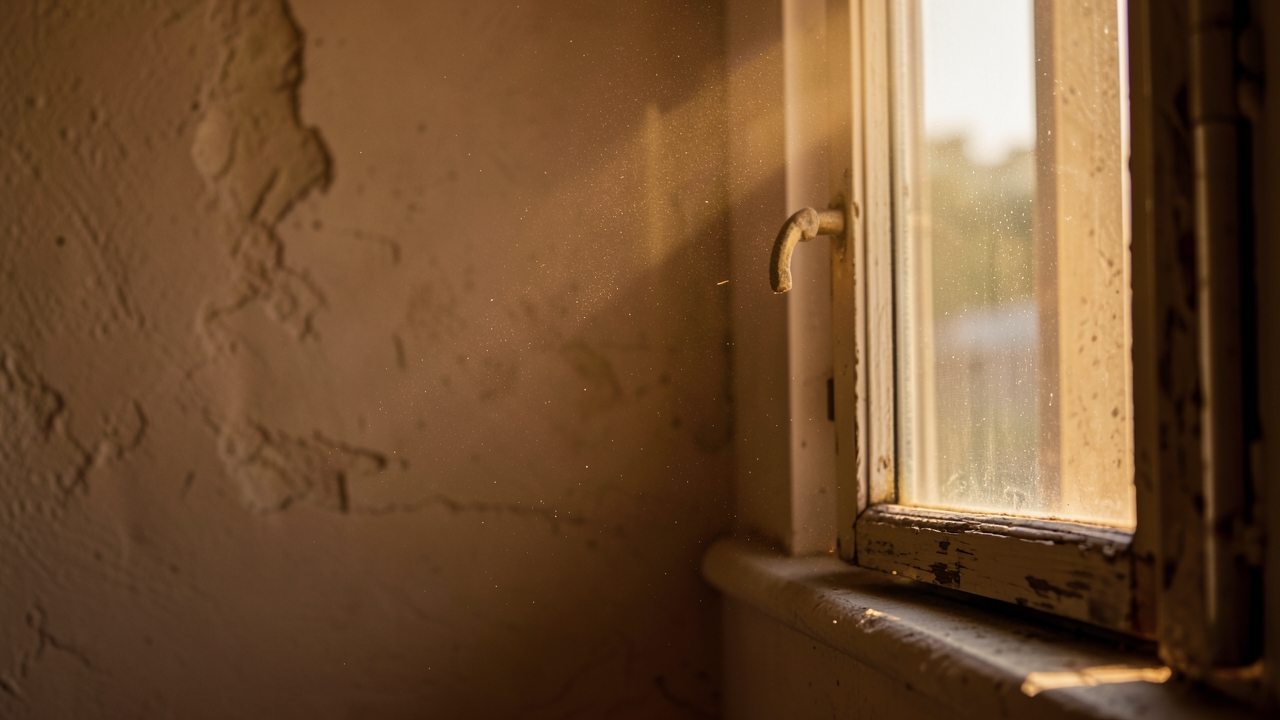
What happens when you shutter the windows of the mind, lock the door on dialogue, and leave only the raw, unfiltered channels of hearing, touch, and scent? Does the story die, or does it merely learn to breathe in a different, more primal way? The sensory writing prompt is not a mere exercise; it is an initiation into the deeper, darker corridors of narrative atmosphere.
This weekly challenge dares you to discard the crutches of sight and speech. It forces you to become an architect of immersion, building your world from the ground up with vibrations, textures, and volatile molecules. In an age of visual saturation, this is a return to the foundations of visceral storytelling.
The Theory of the Unseen: Crafting with Hidden Senses
To master this prompt, one must first understand why it works. Sight is our dominant sense, often lazy in its assumptions. Sound, texture, and smell, however, are intimate and evocative. They bypass the intellect and speak directly to memory and emotion.
The Anatomy of Sound: The Echo of Narrative
Sound establishes pace and tension. A steady drip is dread. A sudden crack is surprise. The hum of a distant generator is unease. For example, consider the master of psychological pressure, Edgar Allan Poe. In “The Tell-Tale Heart,” the relentless thumping is not heard with the ear alone, but felt in the ribs. It is the sound of a character’s unraveling.
Technique is key. Use specific, textured verbs: the groan of wood, the sibilant whisper of wind through a crack, the staccato patter of rain. Layer sounds: a foreground noise against a background drone. Furthermore, use silence as a sound itself—a deliberate, heavy void that speaks volumes.
The Grammar of Texture: Touch as a Truth-Teller
\p>Texture grounds the reader in a physical reality. It reveals truth where sight might deceive. A surface that is supposed to be smooth but feels gritty tells a story of neglect or decay. Consider Shirley Jackson’s The Haunting of Hill House. The cold spots, the damp walls, the feeling of the house itself pushing back—these tactile details build the horror more effectively than any ghostly apparition.Go beyond simple adjectives. Describe resistance, temperature, weight, and viscosity. The drag of damp wool, the brittle snap of a frozen twig underfoot, the cloying thickness of unbreathed air. In contrast to sound’s temporality, texture is immediate and personal, a direct line to the character’s embodied experience.
The Evocation of Scent: The Ghost of Memory
Smell is the most ancient sense, wired to the brain’s emotional core. It is the scent of nostalgia, of warning, of decay. The Gothic masters knew this well. Daphne du Maurier’s Rebecca is haunted not just by a memory, but by the scent of azaleas and the phantom smell of salt and shawls. Scent can leap across time without a single word of exposition.
Use scent to trigger backstory or foreshadow event. The metallic tang of blood before violence is seen. The sweet rot of fruit in a summer kitchen that speaks of a life left untended. As a result, you create a narrative that unfolds like a perfume—complex, layered, and impossible to forget.
The Sensory Writing Prompt in Practice: Common Pitfalls
Many falter when attempting this prompt. One common pitfall is over-reliance on cataloging. A list of smells does not create a scene. Instead, integrate sensations into action and reaction. Let the character interact with their sensory world. Another mistake is using abstract descriptors. “A scary sound” is weak. “A wet, tearing sound, like heavy cloth being slowly ripped” is narrative.
Furthermore, avoid forcing meaning. The power of this exercise lies in implication. You are not describing a room; you are describing a character’s perception of it. This subtlety is where true immersion lives. As a result, the reader doesn’t just see the scene; they inhabit it.
To explore the broader craft of atmosphere, one might examine our guide on crafting mood in gothic fiction, where sensory detail is the primary tool. Similarly, the concept of the “unreliable narrator” often hinges on sensory discrepancy—what is felt versus what is reported.
A Case Study: The Attic Inventory
The floorboards offered a chorus of complaint under my weight, each step a unique groan of seasoned oak and settled dust. Above, the skylight let in no light, only the percussive whisper of rain that had begun its assault minutes before. The air was a museum of stagnant time: the dry, vanilla scent of aging paper, undercut by something faintly sour, like forgotten wool.
My hands, outstretched, met a wall of cardboard. The surface was soft with a velvet of mildew, yielding slightly under my pressing fingers. To my left, a stack of what felt like old coat hangers, their metal cold and slightly sticky, clattered with a hollow, tubular resonance. The sour scent grew stronger, a cloying sweetness now, concentrated near a shape my palms identified as a heavy trunk, its metal latches gritty with rust.
I fumbled with the latch. It resisted, then shrieked open—a thin, metallic scream that the rain did not drown. Inside, the air thickened with the concentrated perfume of cedar and mothballs, a sharp, chemical bite. My fingers brushed against fabric. It was not cloth, but fur, coarse and stiff, and impossibly cold. Beneath it, a smaller object, rectangular and heavy. A book, bound in something that felt like cured skin. As I lifted it, a faint chime sounded from within its pages, not musical, but like a tiny bell being struck inside a pillow. The sour smell was gone, replaced by the clean, mineral odor of old bone.
The Lingering Echo: Conclusion
To write without sight is to trust the shadows. To write without dialogue is to listen to the world’s own voice. The sensory writing prompt strips away the superficial and reveals the skeleton of atmosphere. It proves that the most haunting stories are not seen, but felt—a vibration in the dark, a texture under the fingertips, a scent that recalls a room you have never entered.
So, what remains when you close your eyes to the obvious? Perhaps only the essential truth of the moment, waiting to be transcribed. Will you dare to listen?