
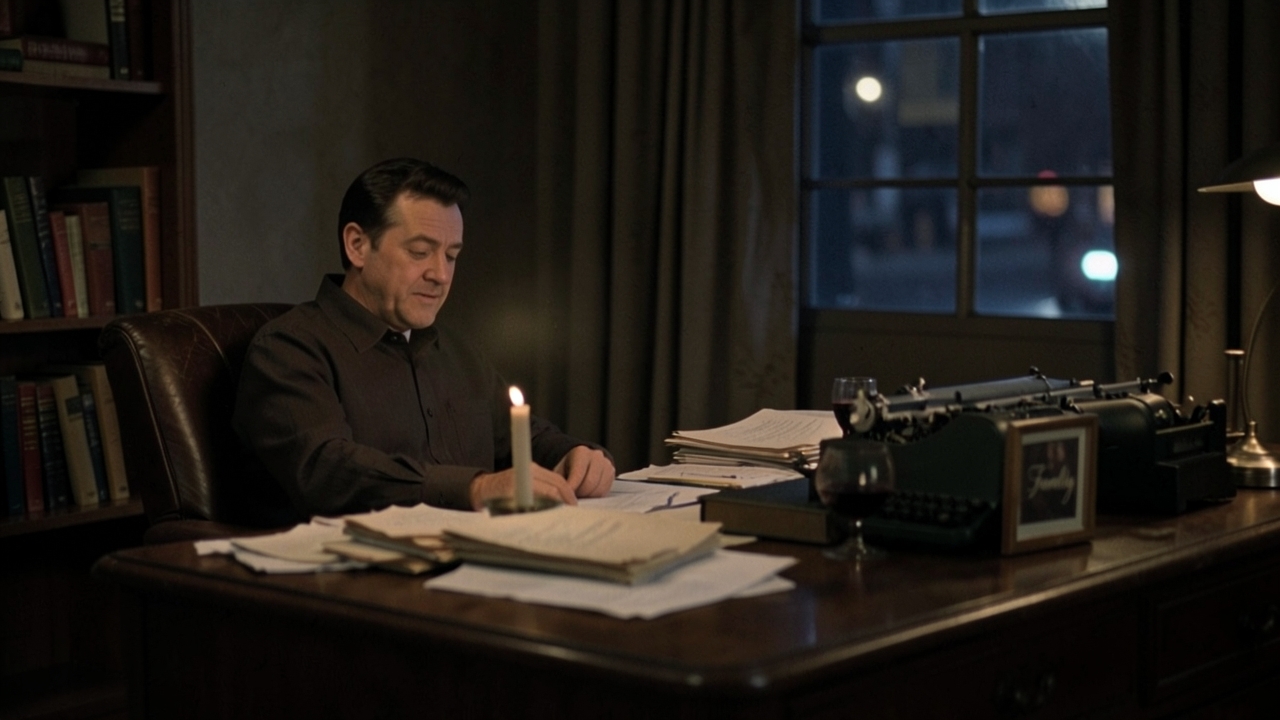
Have you ever felt a deeper connection to a narrator you know is lying to you? In the shadowed corridors of contemporary fiction, where truth often whispers behind a veil of deception, authors are forging unreliable narrator empathy as a potent tool for intimacy. This technique moves beyond mere suspense, crafting complex bonds that challenge our moral compass and invite us into the fractured psyches of characters. As we navigate the literary landscape of 2026, this method reveals how dishonesty can paradoxically cultivate trust between reader and narrator.
The Anatomy of Unreliable Narrator Empathy
Unreliable narration, at its core, presents a storyteller whose credibility is compromised. However, the magic lies in how authors manipulate this unreliability to generate empathy. Instead of distancing readers, it draws them closer, creating a shared space of doubt and understanding. Consider Kazuo Ishiguro’s The Remains of the Day, where Stevens, the butler, meticulously recounts his service while evading personal accountability. His omissions and self-deceptions force readers to read between the lines, piecing together emotional truths he cannot admit. This process mirrors real human interaction, where empathy often arises from recognizing unspoken vulnerabilities.
In 2026, authors like Sally Rooney refine this approach. In Normal People, Connell and Marianne’s perspectives shift subtly, revealing how their narrations are colored by insecurities and miscommunications. Rooney uses this unreliability not to trick, but to highlight the gaps in understanding that define intimate relationships. Consequently, readers become active participants, filling those gaps with their own empathy. This technique thrives on subtlety; it requires a delicate balance where the narrator’s flaws become the bridge to the reader’s heart.
Crafting the Fractured Voice
To master unreliable narrator empathy, writers must craft voices that are both flawed and compelling. Start with a clear sense of the narrator’s internal conflict. For example, in Edgar Allan Poe’s “The Tell-Tale Heart,” the narrator insists on his sanity while describing his obsession with an old man’s eye. This contradiction creates a chilling intimacy; we are compelled to understand his madness because he speaks directly to us, as if confiding a secret. In contemporary terms, authors might use first-person perspectives with stream-of-consciousness techniques, allowing readers to experience the narrator’s cognitive dissonance firsthand.
Another key technique is employing unreliable narration through omission or selective memory. In Daphne du Maurier’s Rebecca, the unnamed narrator’s recollections are shaped by anxiety and jealousy, leaving gaps that readers must navigate. This approach invites empathy by mimicking how we all reconstruct our pasts. Therefore, writers should focus on what their narrators leave unsaid, using subtext to convey emotional depth. Additionally, varying the narrator’s reliability over time can build layers of trust and suspicion, enhancing the reader’s emotional investment.
Common Pitfalls to Avoid
However, wielding this tool requires caution. A common pitfall is making the unreliability too obvious or gimmicky, which can break immersion. For instance, if a narrator constantly contradicts themselves without purpose, it may frustrate rather than engage readers. Instead, ensure that the unreliability serves the story’s themes or character arcs. In Tana French’s In the Woods, the narrator’s fragmented memories create ambiguity, but they also mirror the novel’s exploration of trauma. Thus, the unreliability is integral to the narrative’s emotional core.
Another mistake is neglecting the payoff. Readers invest in deciphering the truth behind the lies; if the resolution feels unsatisfying, empathy can turn to resentment. For example, in some twist-driven narratives, the reveal might undermine the established emotional bond. Therefore, authors must ensure that the journey of understanding remains meaningful, regardless of the truth. As Gillian Flynn demonstrates in Gone Girl, the dual unreliable narrators challenge empathy by presenting morally gray characters, but the story’s depth comes from exploring why they lie, not just what they hide.
The Mechanics of Bond Formation
The bond formed through unreliable narrator empathy is almost contrarian. It asks readers to sympathize with deceit, creating a unique form of intimacy. This works because humans are wired to seek understanding, even in flawed individuals. In literary terms, it leverages the “uncanny valley” effect, where slight imperfections in narration make characters feel more real. For instance, Haruki Murakami’s narrators often drift into surreal territories, blurring reality and fantasy. This unreliability doesn’t alienate; instead, it draws readers into a shared sense of wonder and uncertainty.
Moreover, unreliable narration can mirror modern life’s complexities. In an era of curated social media personas and filtered truths, readers are accustomed to navigating layers of presentation. Authors like Silvia Moreno-Garcia use this to explore cultural and personal myths. In Mexican Gothic, the protagonist’s initial perceptions are unreliable due to her unfamiliarity with the setting, but this invites readers to learn alongside her, fostering empathy through shared discovery. Consequently, the technique becomes a reflection of contemporary experience, making it particularly resonant in 2026.
Integrating Empathy Techniques
To integrate these techniques, writers should focus on emotional authenticity over plot twists. For example, in Angela Carter’s The Bloody Chamber, the narrators often reinterpret fairy tales, their voices unreliable but rich with feminist insight. This unreliable perspective generates empathy by revealing hidden truths about power and desire. Similarly, in contemporary fiction, authors might use multiple unreliable perspectives to show how truth is subjective. This approach encourages readers to empathize with different viewpoints, even when they conflict.
In addition, consider the role of language. Unreliable narrators often have distinctive voices—perhaps evasive, poetic, or chaotic. Crafting this voice requires attention to detail. For instance, Jorge Luis Borges uses unreliable narrators in his short stories to explore philosophical ideas, where the unreliability becomes a metaphor for the limitations of knowledge. By mastering such linguistic nuances, writers can deepen the reader’s emotional engagement. For further exploration, see our guide on gothic suspense techniques, which often overlap with unreliable narration.
A Case Study: The Echoes We Withhold
Below is an original short story that demonstrates unreliable narrator empathy. The narrator, Elara, recounts a family secret, but her memory is fragmented and biased. Notice how her unreliability invites readers to piece together the truth, fostering a bond of shared understanding.
Elara spoke of the old house as if it still stood, its timbers groaning under the weight of whispers. “We were happy there,” she said, but her fingers traced the rim of a chipped teacup, and I saw the fracture in her smile. The rain outside mirrored the static in her voice—each drop a memory she might not want to recall. She told me about her brother, how he vanished one autumn, leaving only a hollow echo in the corridors. “He was always inventing stories,” she murmured, yet her eyes fixed on the shadows dancing by the window, as if expecting him to step through the dusk.
I listened, knowing her words were a veil. She spoke of love, but her hands clenched the fabric of her dress, a silent rebellion against the past. “The house kept our secrets,” she insisted, but I caught the tremor in her breath—a sound like wind through broken panes. In her telling, her brother was a myth, a figure of whimsy, not the boy who once carved his name into the oak tree. I wondered if she believed herself, or if this unreliable narration was her only shield against the grief that hollowed her out.
As dusk fell, she paused, her voice dropping to a whisper. “Some things are better left unsaid,” she said, but her gaze lingered on a faded photograph on the mantel—two children, their faces blurred by time. I felt the weight of what she withheld, the empathy rising in me not despite her lies, but because of them. In that moment, we shared a silence that spoke louder than truth, a bond forged in the fractures of her memory.
This story exemplifies unreliable narrator empathy by using Elara’s biased perspective to draw readers into her emotional landscape. Her omissions and contradictions invite us to empathize with her pain, creating intimacy through shared doubt. For more on crafting such narratives, explore our article on character-driven horror, where unreliable voices often amplify tension.
Conclusion: The Echo of Intimacy
In the end, unreliable narrator empathy is about the echoes we carry between truth and deception. As authors in 2026 continue to explore this technique, they remind us that connection often lies in the shadows, in the spaces where words falter. By mastering the craft of fractured voices and selective truths, writers can forge bonds that linger long after the story ends. So, as you turn the next page, ask yourself: does the lie you read feel more honest than the truth?