
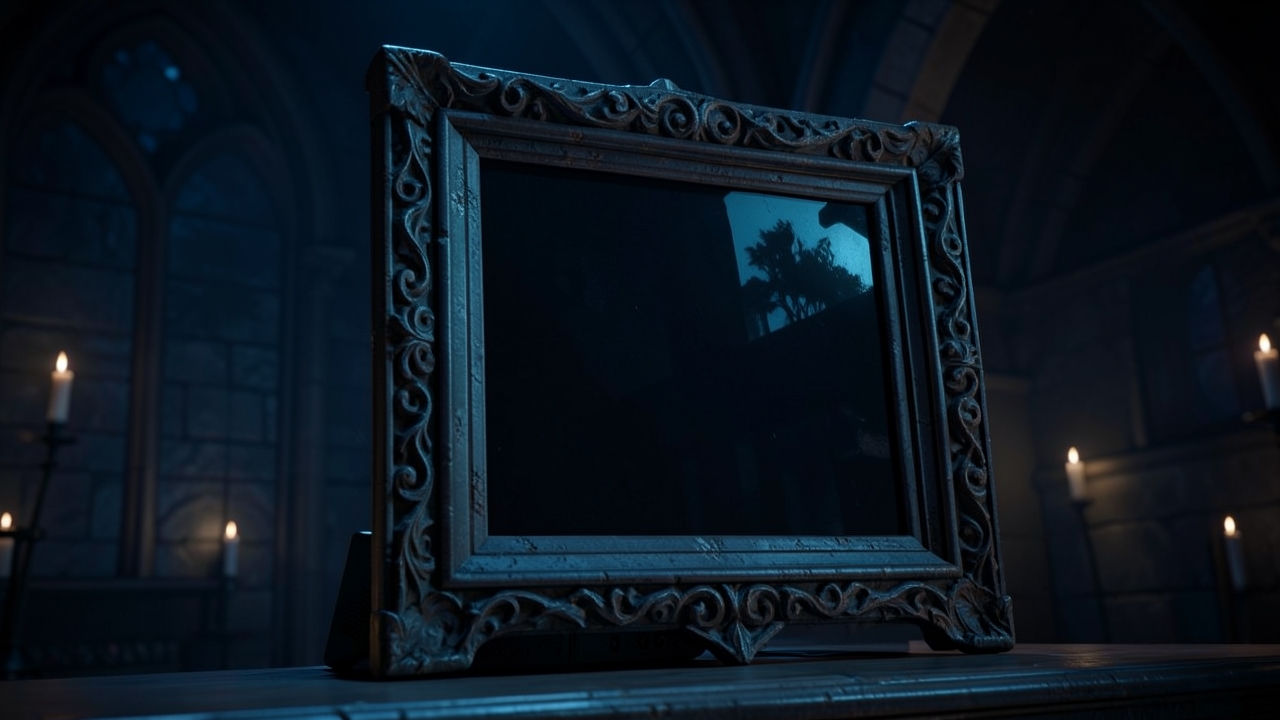
Have you ever felt the cold prickle of dread not from a creaking floorboard, but from the silent, knowing glow of your own phone? In an age where our realities are algorithmically curated and our connections are both constant and profoundly isolating, the most fertile ground for terror may lie within the echo chamber of our own screens. For the contemporary writer, this presents a terrifying and exquisite new canvas for modern psychological horror techniques.
The Anatomy of Digital Dread: A New Theory of Writing
The core of classic psychological horror was isolation. One felt alone with the terror. Today, our characters are never alone; they are observed, profiled, and served a personalized reality. Therefore, the craft has shifted. The modern technique is not to isolate the protagonist from the world, but to trap them within a distorted, curated version of it—a funhouse mirror built from their own data trails.
Crafting the Inescapable Gaze
The antagonist is no longer merely a shadow in the hallway. It can be the platform itself, the unblinking eye of the algorithm that knows a character’s fears before they do. Consider how Edgar Allan Poe, in “The Tell-Tale Heart,” made the narrator’s own guilt and paranoia the inescapable antagonist. We must update this principle. The modern gaze is algorithmic. It follows the protagonist from device to device, learning, anticipating. The horror arises when the digital ecosystem seems to actively conspire, feeding the protagonist information that confirms their deepest anxieties, creating a feedback loop of mounting terror.
As a result, the writer’s job is to meticulously weave this digital surveillance into the fabric of normalcy. A newsfeed that curiously highlights stories about a specific, obscure fear. A targeted ad that arrives moments after a whispered secret. This is the new form of dramatic irony, where the reader sees the machine’s cold logic before the protagonist does. The dread becomes systemic, not personal—it feels both engineered and intimate.
Weaponizing Connectivity and Echo
The echo chamber is a masterful tool for distortion. In Shirley Jackson’s “The Lottery,” the horror was communally enforced. Today, the community is digital, and its rituals are subtle. A protagonist can be gaslit not by a single person, but by an entire online consensus manufactured by a targeted disinformation campaign. Their reality fractures. Is the threat real, or is it a phantom woven from bots and bad faith actors? This ambiguity is the lifeblood of modern psychological horror techniques.
For example, a character might research a personal trauma online. The algorithm, designed to maximize engagement, feeds them increasingly extreme, radicalizing content that validates their pain and redirects it into paranoia. Consequently, their online support group becomes a crucible of escalating madness. The writer must craft this descent with precision, showing how the very tools meant to connect us can be perverted into instruments of psychological collapse. The horror lies in the loss of a stable, shared reality.
Furthermore, the relentless connectivity destroys the last refuge: the inner world. Notifications are the digital equivalent of a tapping on the wall. A buzzing phone in a silent room is a scream. The constant availability demanded by this world creates a state of low-grade, perpetual anxiety. A masterful horror story will find the moment this anxiety spikes into outright terror, when the boundary between the digital and the physical irrevocably shatters.
A Case Study: Profile Picture
The photo was a mistake. Elara knew it the second she saw it upload—a glitch in the upload sequence. Her own face, but subtly wrong. The smile was the same, but the eyes in the thumbnail had a flat, recorded quality, like a still from a video she’d never made. She deleted it immediately. But the notification stayed. “Your profile picture has 1 new view.”
Over the next days, the algorithm seemed to learn from the error. Her feed filled with articles about digital doppelgängers and deepfake anxiety. A targeted ad for a cybersecurity firm appeared, its copy reading, “Is someone wearing your face?” She searched for her own name in incognito mode. On a niche forum for lost media enthusiasts, a thread was titled: “Anyone else seen the ‘Eyes Open’ girl?” The post contained a screenshot—not of her deleted photo, but of her face, eyes wide with terror, from a security camera angle she didn’t recognize. The comment below read: “She posts these everywhere. It’s like she’s screaming into the void, and the void is her own account.”
The dread wasn’t just that she was being watched. It was that the watcher was using her own tools, her own data, to build a prison of context around her. She blocked the forum, cleared her cache. That night, her smart home assistant chimed unprompted at 3 AM. “New message,” it said in its calm, synthetic voice. “From: You. Subject: Help.” Elara stood frozen in the dark, listening to the echo of her own name spoken by the machine, wondering which part of her was now trapped inside it.
Conclusion: The Whisper in the Wire
The techniques are new, but the emotion is ancient: the fear of losing one’s mind, one’s autonomy, one’s very self. By tethering this fear to the ubiquitous, silent architecture of our digital lives, we craft a horror that is not escapable by turning off a light. It is in the very air we breathe. The echo chamber does not just reflect our fears; it can amplify them, weaponize them, and finally, give them a voice of their own. So, when the screen glows in the dark, illuminating a face that is yours but not yours, do you have the courage to ask: which part is the echo, and which part is the scream?
For further exploration of the craft, consider reading our deep dive into building Gothic atmosphere or mastering the unreliable narrator. For a scholarly perspective on digital culture and fear, The Guardian offers insightful reporting on algorithmic anxiety in our contemporary world.