
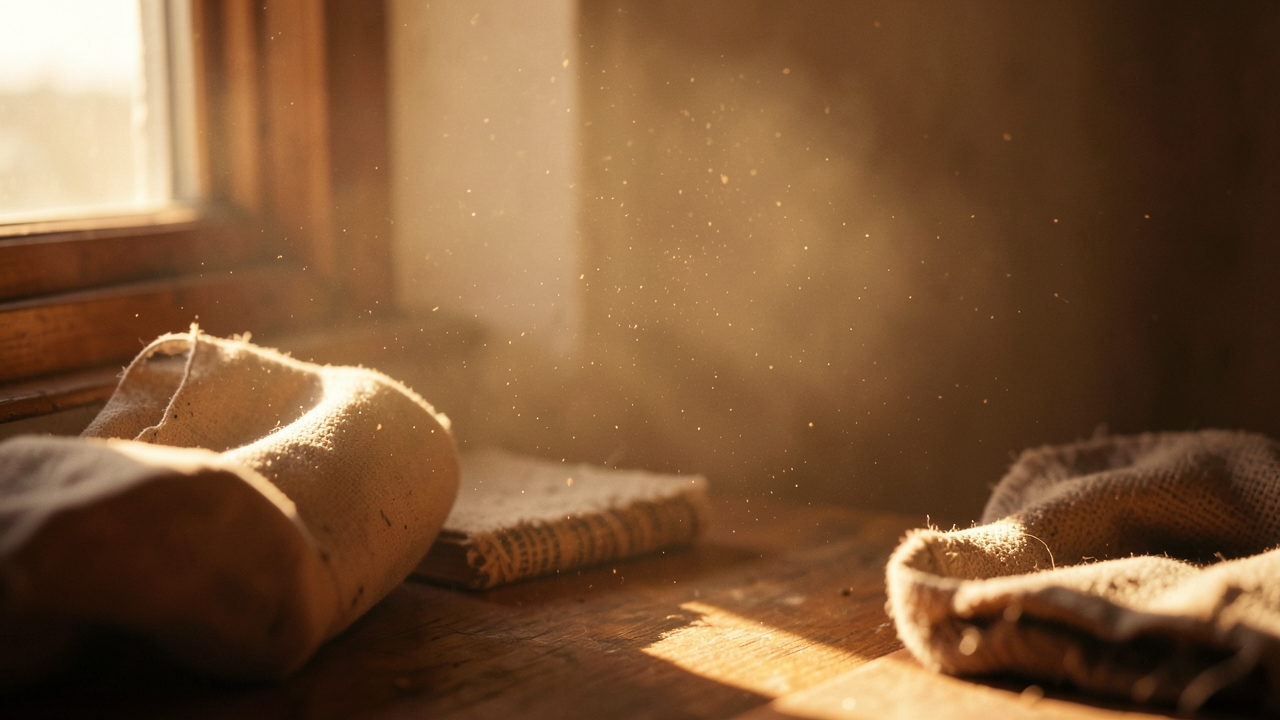
What if you could conjure an entire world, not with exposition or dialogue, but merely with the scent of decaying paper and the groan of old wood? This is the challenge of the sensory writing prompt: to abandon the inner voice and build reality from the ground up, through the raw data of the senses. It is a return to the most elemental form of storytelling, a practice that masters from Edgar Allan Poe to Shirley Jackson wielded with chilling precision.
Today, we descend into the heart of one such exercise: writing a scene set entirely in a library at midnight. Our tools are not thoughts, but textures. Not emotions, but echoes. We will learn how to orchestrate a symphony of sensory details that allows the atmosphere to whisper directly into the reader’s soul.
The Theory of Sensory Immersion: Crafting Atmosphere from the Ground Up
Sensory writing is the alchemy of turning observation into experience. It is the ultimate “show, don’t tell.” Instead of stating “the library was eerie,” you must make the reader feel the chill that raises the hair on their arms. This requires a deliberate, almost surgical, focus on the five senses as your sole narrative engines.
The Hierarchy of the Senses in Literature
Not all senses are created equal on the page. First, sight is our dominant sense and often our entry point. But in a midnight library, it is a compromised sense—a dance of deep shadow and singular, startling light. The true depth comes from layering it with the others.
Sound is perhaps the most potent tool for creating tension. In a silent place, every small noise is amplified. The creak of a floorboard isn’t just a sound; it’s a character, an intruder. Consider how H.P. Lovecraft builds dread in “The Statement of Randolph Carter” not through monsters, but through the eerie sounds of a Boston cemetery and the mechanical clicks of forbidden instruments. Sound implies unseen movement, agency, and threat.
Smell is our most nostalgic and primal sense, directly linked to memory and emotion. The scent of old books—vanilla, dust, and mildew—is instantly evocative. A library at midnight might also carry the sharp tang of cleaning fluid, the ghost of someone’s pipe tobacco, or the damp, earthy odor that seeps from the very foundation. As Daphne du Maurier masterfully uses the smell of salt and decay in Rebecca to haunt Manderley, you must use scent to anchor your scene in history and hidden things.
Touch grounds the scene physically. The cool, smooth surface of a marble bust. The gritty dust coating a finger. The coarse weave of an old curtain. These details create a tactile intimacy, making the world feel real and inhabitable. Finally, taste is subtle but powerful. The dry, metallic taste of stale air; the phantom taste of coffee from hours past. It often acts as an internal, bodily reaction to the other senses.
The Anatomy of a Sensory Sentence
The craft lies in blending these details into fluid, evocative sentences. Avoid simple lists. Instead, connect sensory details through action and reaction. For example:
Weak (Telling): The library was old and quiet.
Strong (Showing/Sensory): A sliver of moonlight pierced the high window, illuminating a universe of swirling dust in the cavernous silence.
The second sentence uses sight (moonlight, dust), sound (silence implied by “cavernous”), and even touch (the implied cold air). It doesn’t state the quality of the room; it lets the reader assemble it.
Common Pitfalls in a Purely Sensory Approach
Even masters can stumble. One pitfall is purple prose—overloading the scene with adjectives until the rhythm collapses. Another is disconnection: sensory details that don’t serve the mood or imply a story. Every creak, every shadow, should hint at a history or a potential. As literary critic Jane Hu notes in The Paris Review, the best descriptive writing is always “in service of something larger.”
Furthermore, avoid clichés. The “musty smell of old books” is a starting point, but push further. Is it the musty smell of mold, or the sweet, dry perfume of acid-free paper aging gracefully? Specificity is the soul of atmospheric writing. Finally, remember rhythm. Short, staccato sentences can create jump-scares. Long, flowing ones can build a languid, creeping dread, much like the prose of gothic horror techniques employed by the genre’s greats.
Original Short Story: The Cataloger’s Midnight
The final clock in the main hall had swallowed its last chime hours ago. Here, in the reference wing, the silence had weight. It pressed against the ears, a soft, woolen pressure. A single green-shaded lamp on a scarred oak desk burned, a lone island in a sea of shadow. Its light did not travel far; it was swallowed hungrily by the towering shelves that rose into perfect, vertical blackness. The air tasted of paper and time—dry, faintly sweet, with a bottom note of cold stone.
A floorboard in the far stacks offered a low, golden groan. Not a footstep, just the building settling, an exhalation of old timber. The sound faded, leaving the buzz of the lamp filament more pronounced, a frantic insect hum in the stillness. From somewhere above, a draft touched the back of the neck, carrying a different scent: damp plaster and the mineral tang of the earth beneath the foundation. It was a reminder of the library’s tomb-like quiet, built over something older.
The cataloger’s fingers brushed the spine of a leather-bound atlas. The cool, smooth surface was a relief against the dry heat of the lamp. He opened it, and a soft flutter escaped—a moth, pale and frantic in the sudden glare, its wings whispering against the page before vanishing into the abyss above. The smell of disturbed dust rose, acrid and ancient. He listened. Nothing but the lamp’s hum and the slow, deep pulse in his own temples. The silence returned, but now it was a listening silence, a silence with an open ear.
Conclusion: The Echo in the Empty Hall
The exercise of a strict sensory writing prompt is not merely a drill; it is a re-calibration of your narrative instincts. It forces you to observe with the intensity of a hunter and record with the precision of a poet. By stripping away the crutches of internal monologue and dialogue, you learn to build suspense and character from the environment itself. The creak of a shelf becomes a character’s unspoken fear. The scent of decay becomes the backstory of the setting.
This is the core of atmospheric storytelling: the belief that the world of the story is a living, breathing entity, speaking its own language of sensation. It is the whisper of the veil between the seen and the unseen, between the described and the deeply felt. So, when you next step into the quiet of your own work, ask yourself: are you merely telling your reader what is there, or are you letting the shadows, the sounds, and the silences speak for themselves?
For further exploration of building tension through environment, consider studying haunted house narrative structure or the mastery of the unreliable narrator’s craft, where what is sensed is as crucial as what is said.
Resources on sensory detail and atmospheric prose can be found in the archives of the Poetry Foundation (on juxtaposition) and literary journals like Literary Hub.