
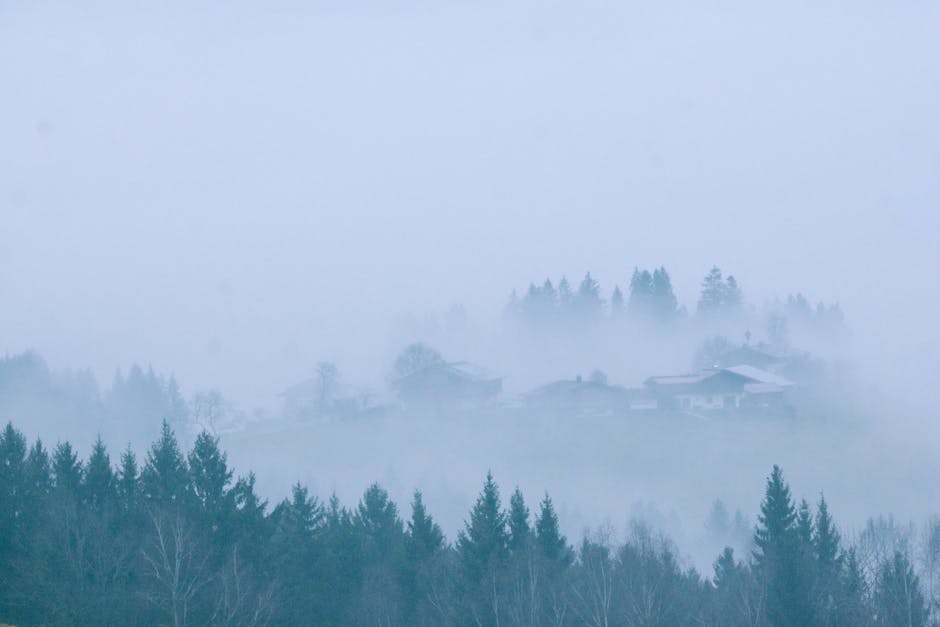
Atmosphere is the secret language of dark fiction. Its what makes a reader shiver before anything scary has actually happened. Its the cold draft under the door, the creak on the stairs that you cant quite place, the way the fog swallows a streetlamp mid-block. Atmosphere isnt decoration — its the story breathing.
What Is Atmosphere, Really?
Think of atmosphere as the emotional temperature of a scene. Its not just weather or setting, though both help. Atmosphere is the feeling that hangs in the air of your story, the mood that settles over your reader like a heavy coat. In gothic fiction, atmosphere often becomes a character in its own right. The moors in Wuthering Heights arent just backdrop — they are possessive, wild, and cruel, mirroring Heathcliffs own nature.
The atmosphere of a story is what the reader remembers long after the plot fades. — A working writers truth.
Sensory Details: The Doorway
Atmosphere enters through the senses. Dont just tell your reader it was a dark and stormy night. Let them feel it:
- Sight: The way shadows pool in corners instead of lying flat. The strange color of light before a storm — that sickly yellow-green that makes everything look underwater.
- Sound: The particular silence of a house holding its breath. The difference between a wind that howls and a wind that whispers.
- Smell: Wet earth after rain. Old wood and dust in a room thats been closed too long. The metallic tang of blood, or just the hint of ozone before lightning.
- Touch: The slickness of damp stone. Air so cold it hurts to breathe. A door handle that turns too easily, as if expecting you.
- Temperature: Gothic writers understood this intuitively. Poe never lets you forget the chill. The cold in The Fall of the House of Usher is almost a living thing — it seeps into the narrators bones and warns him before he even sees the house.
Weather as Mood
Weather is the easiest shortcut to atmosphere, but the best writers make it feel earned. Rain isnt just rain — its the tears of an indifferent sky. Fog isnt just fog — its the world becoming uncertain, pulling boundaries away. Snow muffles sound and blurs edges, perfect for stories about secrets buried just beneath the surface.
Consider how Shirley Jackson uses weather in The Haunting of Hill House. The heat is oppressive, sticky, wrong. It presses down on the characters and the reader alike. You feel that heat before anything supernatural happens. The atmosphere primes you.
Setting as Character
The best atmospheric writing treats the environment like a living thing. The house in House of Leaves is actively hostile — it changes, grows, breathes. The Overlook Hotel in The Shining has moods and grudges. But this doesnt require the supernatural. A cramped apartment in a noir story can feel claustrophobic and judgmental. A forest can feel like its watching.
Exercise for the writer: Take a neutral location — a kitchen, a parking lot, a waiting room. Describe it three ways: comforting, menacing, and melancholy. Use only sensory details. No telling the reader how to feel. See how the same space becomes three different worlds.
Practical Tips
- Choose one dominant sensory thread per scene. Too many details become noise. If the scene is about cold, make cold your anchor. Return to it.
- Let the atmosphere shift with the plot. A story that starts with cozy fog and ends with oppressive fog has done its work. Let atmosphere arc like your characters do.
- Dont over-explaim. The best atmospheric writing trusts the reader. A half-glimpsed shape in the rain is scarier than a detailed monster. Let the reader bring their own fears.
- Read the gothic masters. Poe, Jackson, du Maurier, Lovecraft. Pay attention not to their plots but to how they make you feel. Then steal everything you can.
Atmosphere is what separates a story you read from a story you live in. Build it with care, and your readers wont want to leave — even when theyre terrified.