
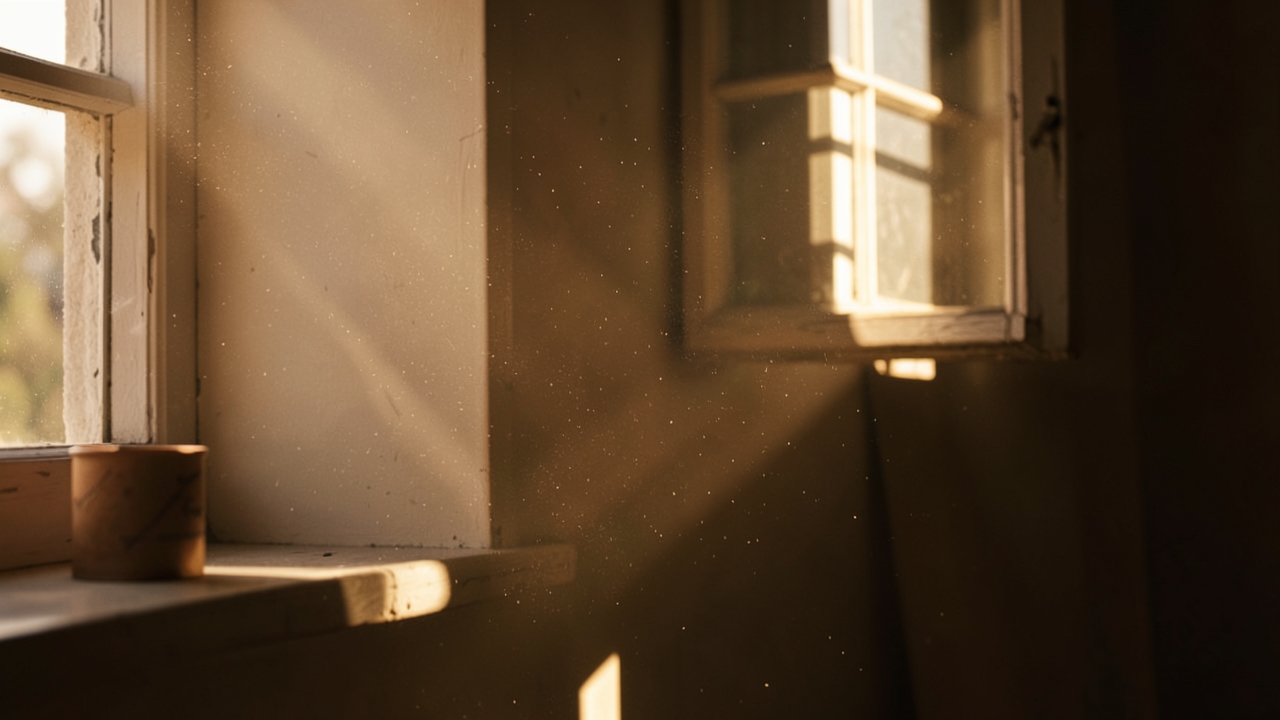
Have you ever found a letter that was never sent? A piece of paper holding words meant for another, now trapped in eternal silence. What story does that silence tell? The found document writing prompt invites us into this shadowy realm, where the tension between intent and omission becomes the very engine of narrative. In the flickering candlelight of storytelling, such artifacts are not mere props—they are portals to the unsaid, the forgotten, and the deeply human.
In 2026, as we navigate a digital world of ephemeral messages, the physicality of an unsent letter gains a gothic resonance. This trope, perfected by masters of mystery and dread, allows writers to unravel psychological depths through absence. Today, we will explore the craft behind this prompt, drawing lessons from literary shadows, before conjuring an original tale that embodies its principles.
The Found Document Writing Prompt: Why Unsent Letters Haunt
The found document writing prompt leverages the inherent mystery of discovered artifacts. An unsent letter is a prime example—a communication frozen in transit, its purpose perpetually unfulfilled. This creates immediate narrative tension. For instance, Edgar Allan Poe’s “The Purloined Letter” hinges on a document’s journey, but an unsent one stagnates in potential, haunting both the writer and the reader.
Why does this work so effectively? Because it mirrors the human experience of regret and secrecy. As Daphne du Maurier demonstrated in Rebecca, letters can unravel identities and ignite obsessions. When the letter never arrives, the story becomes a ghost story—a specter of what might have been. Consequently, writers must master the art of implication, where every word carries the weight of its own silencing.
The Anatomy of Silence in Correspondence
At its core, an unsent letter is a study in contradiction. The writer’s intent clashes with the action of non-delivery. Therefore, the first technique is to establish the voice of the letter with visceral urgency. Let the prose bleed with emotion—be it love, fury, or despair. Yet, counterbalance this with the cold fact of its abandonment. For example, in H.P. Lovecraft’s “The Statement of Randolph Carter,” the written confession is a document of terror that remains within a liminal space, amplifying its horror.
To craft this effectively, consider the physicality of the letter itself. Is it crumpled, stained, or meticulously preserved? These details become clues. In Tana French’s psychological thrillers, objects often hold keys to character psyche. Similarly, an unsent letter’s state tells a story of hesitation or interruption. Therefore, describe not just the words, but the paper, the ink, the very texture of silence surrounding it.
Crafting the Unreliable Narrator of the Pen
The writer of an unsent letter is an unreliable narrator by default. Their words are private, perhaps meant for a single eye, now exposed. Gillian Flynn’s Gone Girl uses diary entries as found documents to twist truth. In the same vein, an unsent letter can be a confession or a facade. Consequently, layer the narrative with discrepancies. Let the letter’s content hint at a truth the writer cannot face, leading to its non-delivery.
This unreliability is key to engagement. The reader becomes a detective, sifting through ink for lies. Shirley Jackson’s We Have Always Lived in the Castle employs hidden documents to build suspense. Thus, when using the found document writing prompt, ensure the letter contains both revelation and concealment. Its silence becomes a character in itself, whispering secrets the narrator dared not send.
Common Pitfalls in Found Document Narratives
One pitfall is over-explaining the letter’s origin. Let the discovery unfold naturally, as in Borges’ “The Library of Babel,” where documents exist in infinite, eerie possibility. Avoid dumping context upfront. Instead, reveal through the reader’s curiosity. Another mistake is neglecting the emotional stakes. The unsent letter must matter deeply—to the writer and, by extension, to the story.
In addition, don’t let the found document become a mere exposition dump. Weave it into the present narrative. For instance, Silvia Moreno-Garcia’s Mexican Gothic uses letters to deepen atmospheric dread without halting momentum. Therefore, balance the letter’s content with the action around its discovery. Let it trigger events or character shifts, rather than just explaining backstory.
Finally, avoid anachronisms. Ground the letter in its time. A 19th-century unsent letter will use language and concerns different from a 21st-century one. Research adds authenticity. As a result, the document feels like a tangible relic, increasing its haunting power.
A Case Study: The Last Draft of Eleanor Vance
Below is an original short story demonstrating the found document writing prompt. It focuses on an unsent letter’s tension, using techniques from above—vivid voice, physical detail, unreliability, and seamless integration. The story unfolds through the discovery of the letter, letting its silence speak volumes.
The attic smelled of dust and forgotten time. I found the box beneath a eaves trough, its wood softened by decades of damp. Inside, wrapped in yellowed tissue, lay a single envelope. The paper was brittle, the ink faded but still legible. It was addressed to a “Thomas,” but the stamp remained unbroken. The letter inside began: “My dearest Thomas, I write this with hands that shake, for tomorrow I leave this house forever.” The script spiraled into confessions of a love concealed, a family secret buried like a corpse in the cellar. Yet, the most chilling part was the postscript, scrawled in a different, frantic hand: “I cannot send this. Forgive me. The truth is too heavy to bear.” I felt the weight of that silence, a vacuum where words should have traveled. Outside, the wind murmured through the trees, echoing the unsent plea.
The next day, I researched Thomas Whitmore, the name mentioned. Records showed he died in 1923, the same year the letter was dated. Eleanor Vance, the presumed writer, vanished from local history shortly after. The letter was her ghost, lingering in the attic, a narrative arrested in mid-breath. As I traced her lineage, I discovered she had a daughter, born in secret. The letter’s intent—to reveal this truth—was silenced, but its discovery now unraveled the family’s hidden story. The found document became a bridge between past and present, its silence screaming across a century.
In the end, I never sent the letter onward; it belonged to the shadows. Its power lay in its stillness, a frozen scream that spoke volumes. The unsent words had shaped lives, their absence a silent architect of fate. Holding it, I understood that some documents are meant to be found, not delivered—messages from the abyss of what was left unsaid.
Closing: The Echo of Unsent Words
We began with a question about silence. Now, we circle back. The found document writing prompt is not just about letters—it’s about the spaces between people, the words that cling to paper because they were too vital, too dangerous, or too painful to release. By mastering the craft of tension between intent and omission, we tap into a universal anxiety: the fear of communication left incomplete.
In your own writing, let unsent letters be more than props. Let them be characters, haunting the narrative with their unfulfilled journeys. As Edgar Allan Poe knew, the most profound horrors often linger in the unfinished. Therefore, when you next find a prompt about a discovered document, ask yourself: what does this silence conceal, and how might its discovery unravel a truth that refuses to stay buried?
For further exploration of gothic storytelling, consider reading The Art of Atmospheric Dread in Modern Fiction or Writing Prompts That Unlock Psychological Depth. Additionally, delve into literary analysis at Poetry Foundation for more on narrative voice.