
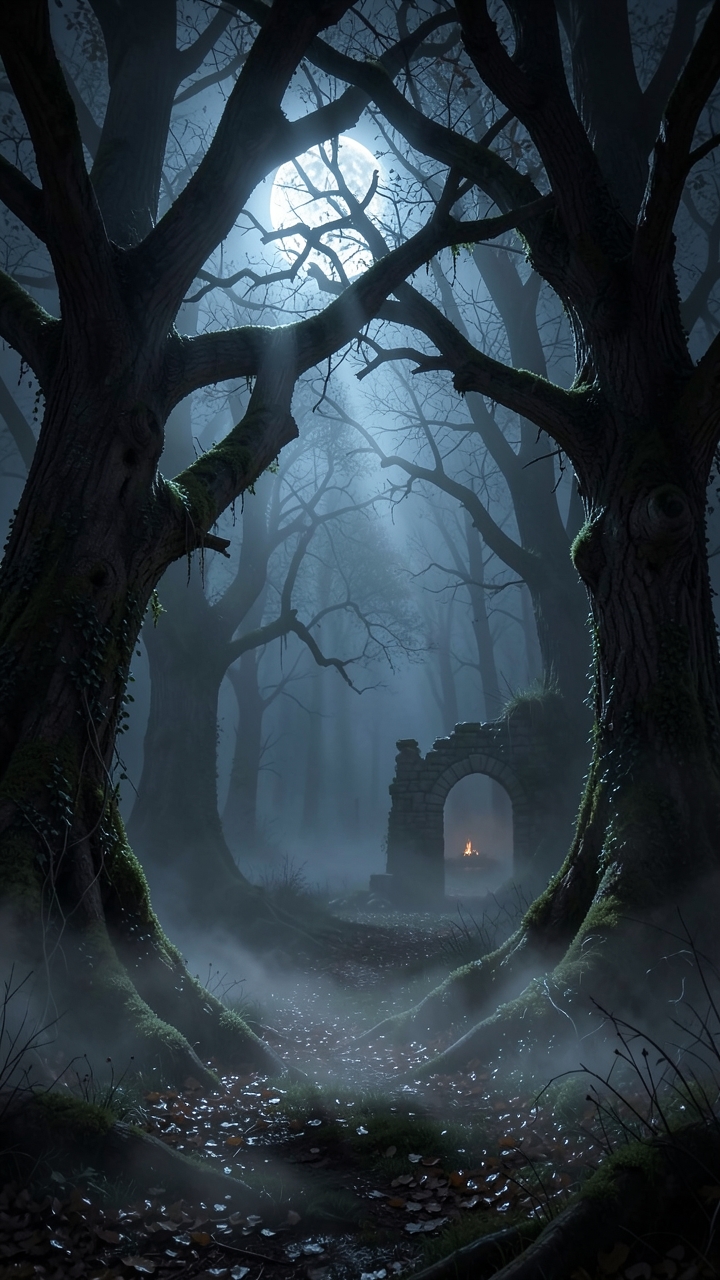
What secrets lurk in the shadows of the written word, waiting to be unearthed by those who dare to delve into the darkness? In the realm of fiction, few crafts are as hauntingly potent as the art of gothic storytelling. It is here, in the dim corridors of imagination, that writers summon echoes of dread and beauty, transforming silence into a symphony of suspense. This exploration of gothic storytelling techniques aims to guide you through the labyrinth of this genre, where every shadow holds a whisper and every whisper a tale.
The Anatomy of Gothic Atmosphere
Gothic storytelling techniques begin with atmosphere—a living, breathing entity that envelops the reader. Edgar Allan Poe, a master of this craft, demonstrated in The Fall of the House of Usher how setting can mirror psychological decay. The decaying mansion becomes a character, its gloom seeping into every sentence. To replicate this, focus on sensory details: the chill of mist, the groan of timber, the weight of silence. For instance, Daphne du Maurier in Rebecca uses Manderley’s halls to evoke a lingering sense of loss and mystery. Your prose should paint shadows, not just describe them.
Building a Sense of Place
Effective gothic storytelling techniques require a meticulously crafted setting. Consider H.P. Lovecraft’s works, where locations like Arkham are shrouded in cosmic dread. Lovecraft often employs archaic language and vivid imagery to make places feel alive with menace. In your writing, avoid generic descriptions; instead, use specific, evocative words—obsidian, decayed, whispers. This immersion heightens emotional impact. Additionally, reference mastering suspense in fiction to learn how pacing enhances atmospheric tension.
The Role of Symbolism and Motif
Symbolism is the backbone of gothic storytelling techniques, allowing deeper themes to surface subtly. In Shirley Jackson’s The Haunting of Hill House, the house itself symbolizes isolation and madness. Motifs like mirrors, portraits, or storms can recur, building thematic resonance. For example, Poe uses the heartbeat in The Tell-Tale Heart to symbolize guilt. When employing symbolism, ensure it integrates organically; avoid heavy-handed allegory. This technique enriches narrative layers, engaging readers on intellectual and emotional levels.
Using Darkness as a Metaphor
Darkness in gothic fiction often represents the unknown or the subconscious. Writers like Angela Carter in The Bloody Chamber use it to explore power dynamics and taboo. Similarly, Silvia Moreno-Garcia’s Mexican Gothic employs darkness to critique colonialism. In your work, let darkness be a metaphor for hidden truths—perhaps a character’s repressed memories or societal secrets. This approach adds depth, making your tale resonate beyond its surface.
Psychological Tension and the Unreliable Narrator
Gothic storytelling techniques thrive on psychological tension, often through unreliable narrators. Poe perfected this in The Cask of Amontillado, where the narrator’s distorted perspective heightens unease. Gillian Flynn’s Gone Girl, while contemporary, echoes this with its manipulative voices. To build tension, limit information, use fragmented thoughts, and let readers question reality. This creates suspense, as seen in Tana French’s In the Woods, where memory loss fuels mystery.
Isolating the Protagonist
Isolation is a staple of gothic fiction, amplifying vulnerability. In Charlotte Brontë’s Jane Eyre, Thornfield Hall isolates Jane, intensifying her emotional journey. Use this technique to force characters into confrontation with their fears. For instance, trap a protagonist in a remote location or a fractured psyche. This isolation often leads to revelation or breakdown, driving the plot forward.
Crafting Unforgettable Endings
Endings in gothic tales must leave a haunting impression. Poe’s works often end with a twist or a chilling revelation, as in The Masque of the Red Death, where death is inevitable. Similarly, Lovecraft’s stories conclude with cosmic horror, leaving readers unsettled. Your ending should echo the themes—perhaps a cyclical return to darkness or an ambiguous resolution. Avoid tidy closures; instead, let the tale linger like a shadow.
The Power of Ambiguity
Ambiguity in endings engages readers’ imaginations. In The Turn of the Screw by Henry James, the supernatural elements remain unexplained, sparking debate. This technique invites multiple interpretations, enriching the narrative. When crafting your ending, balance clarity with mystery. Use symbolic imagery—like a fading light or a closed door—to suggest ongoing unease.
A Case Study: The Echoes of Ashwood Manor
In the heart of Ashwood Manor, where shadows clung to the walls like living things, Elara felt the weight of silence pressing against her skull. The house had stood for centuries, its stones whispering secrets of those who had perished within. She had come to inherit the estate, but instead found herself entangled in its decay. Every creak of the floorboards echoed her own fractured memories, blurring the line between past and present. As dusk fell, the mirrors in the hall began to reflect not her image, but faces of the forgotten—eyes hollow with unspoken grief. In that moment, Elara realized the manor was not merely a place, but a vessel for the darkness that had consumed her family for generations. She reached for the ancient diary on the mantel, its pages brittle with age, and read the final entry: ‘The house remembers, and it never forgives.’ A chill wind extinguished the candle, leaving her in absolute blackness, where whispers turned to screams and screams to silence.
This case study embodies the gothic storytelling techniques discussed: atmospheric setting, symbolism through mirrors and decay, psychological tension via unreliable memories, and an ambiguous ending that lingers. For further inspiration, explore analyzing gothic literature or delve into Poe’s original works for deeper insights.
Practical Tips for Implementation
- Start with a spark: Use a single image or emotion to seed your story. For example, the concept of a haunted mirror can evolve into a tale of identity loss.
- Layer your prose: Employ sensory details to build immersion. Describe not just what is seen, but what is felt—chills, echoes, shadows.
- Revise for rhythm: Gothic prose benefits from varied sentence lengths. Short, abrupt sentences can create tension, while longer ones build atmosphere.
- Study the masters: Read works by Borges, Murakami, or Carter to see how they blend gothic elements with other genres.
Incorporate these methods gradually, ensuring they serve your narrative rather than overwhelm it. Remember, the goal is to create a world that feels both familiar and deeply unsettling.
Conclusion: Echoes in the Dark
As we conclude this journey through gothic storytelling techniques, we return to the shadows that began our exploration. The art of crafting dark tales is not merely about fear; it is about revealing the human condition through the veil of darkness. From Poe’s psychological depths to Lovecraft’s cosmic horrors, these techniques offer tools to weave narratives that resonate with timeless unease. So, as you pen your next story, ask yourself: will you let the shadows speak, or will you remain in the light?