
Weekly Writing Prompt #1: The Letter That Was Never Meant to Be Read
Welcome to the first of our weekly writing prompts — a space to flex your creative muscles, try something new, and maybe surprise yourself.
The Scenario
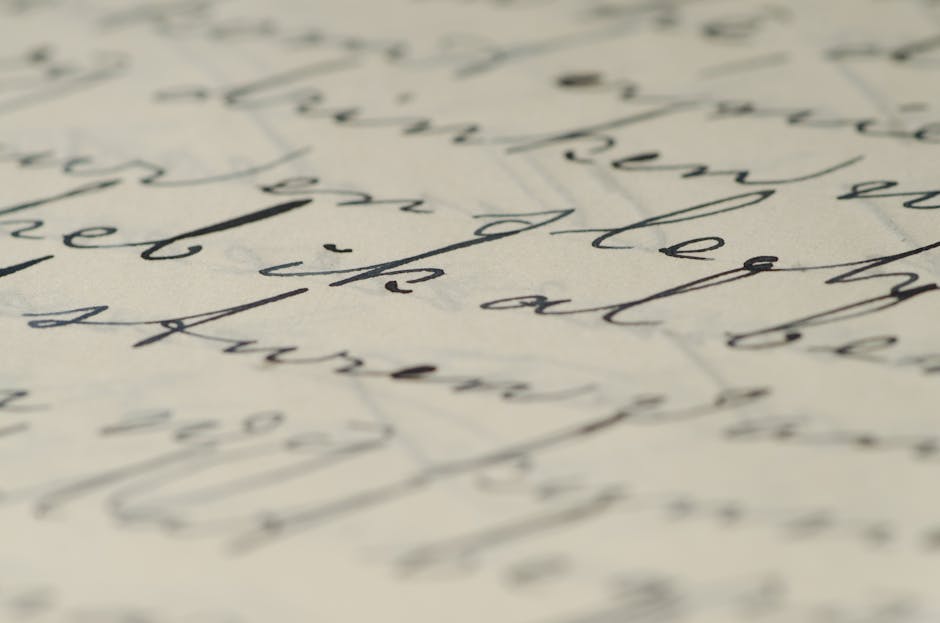
You find a letter hidden in the lining of an old coat at a thrift shop. It’s dated forty years ago, addressed to someone you’ve never heard of, and the handwriting shifts from careful and deliberate to frantic and nearly illegible by the final paragraph. The letter begins:
If you’re reading this, I’m either gone or wish I were. I’ve tried to tell this story a hundred times, but every time I open my mouth, the words come out wrong. So I’m writing it down. Maybe the page can hold what my voice cannot.
The letter is unfinished. The last sentence trails off into a smudge of ink.
Three Directions You Could Take This
1. The Confession. The writer of the letter is confessing to a crime — something they did, or something they witnessed and stayed silent about. The unfinished ending is where the truth becomes too terrible to write. Your job as the writer is to decide what that truth is, and to explore the consequences of the letter being found.
2. The Warning. The letter is a warning about something that hasn’t happened yet — and the fact that it was written forty years ago means the deadline is approaching. The writer knew something was coming and tried to prevent it. Did they succeed? Did anyone listen? And what happens now that the letter has resurfaced?
3. The Love Letter. Not all gothic stories need to be about monsters and murder. A love letter that was never sent — full of longing, regret, and the pain of a relationship that ended badly — can be just as haunting as any ghost story. The unfinished ending becomes the most painful part: the sentence they couldn’t bring themselves to complete.
A Few Tips as You Write
- Consider the frame. Are you writing the letter itself, or are you writing the story of the person who found it? Both approaches have power.
- The object matters. A letter is physical — the yellowed paper, the faded ink, the smell of the thrift shop coat. Let the sensory details ground your story.
- What the letter doesn’t say is often more important than what it does. The gaps, the crossed-out words, the places where the writer stopped themselves — those are your richest material.
Happy writing. I can’t wait to see what you find in that coat pocket.